Technology and Innovation

Technology and Innovation

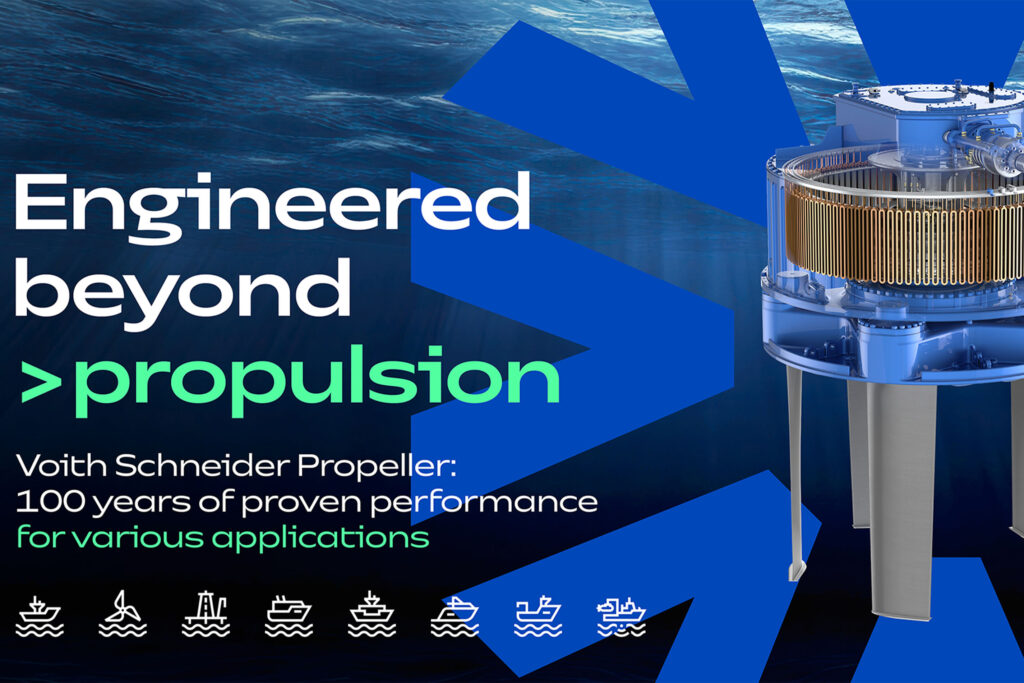
Integrating Drive Systems and Maneuverability: The Austrian Concept Altering Marine Drafts

Developing a propulsion system that withstands a century of maritime application requires profound mechanical foresight. The Voith Schneider Propeller officially marks its 100th anniversary, celebrating a unique vertical-blade architecture that merges steering and thrust into one cohesive unit. By transitioning this foundational Austrian design into the modern eVSP, Voith Turbo pairs dynamic roll stabilization with contemporary electric drives. Discover how this specific engineering lineage continues to dictate specialized vessel maneuverability worldwide.
Read More »
Technology and Innovation

Low-Bandwidth Offshore Operations: Reshaping Critical Asset Protection

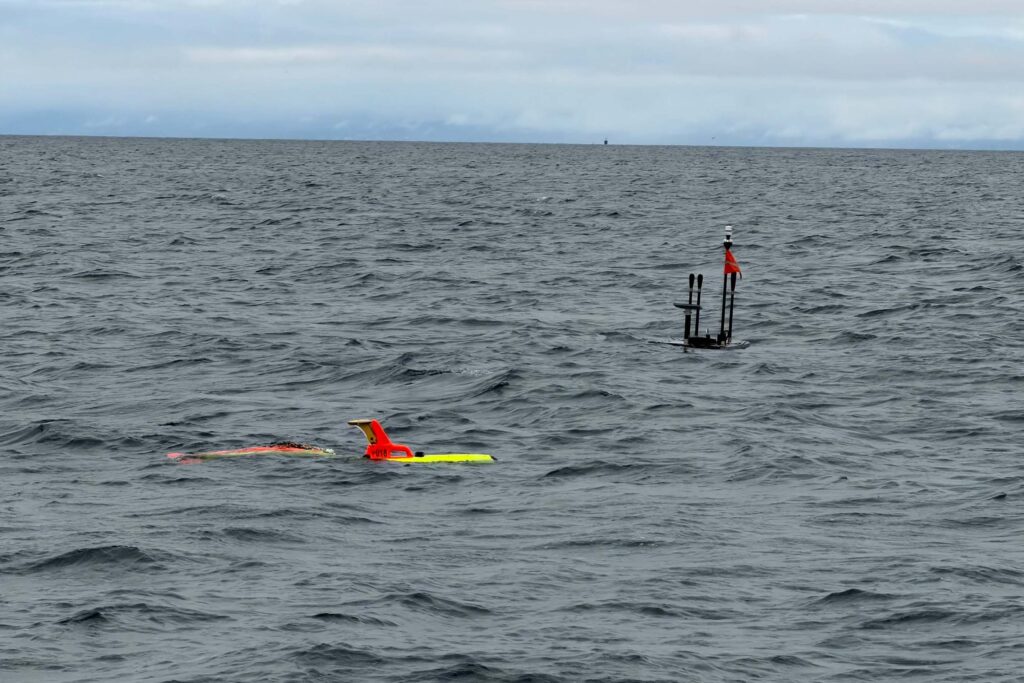
Operating autonomous platforms below the surface traditionally isolates them from real-time command networks. During Exercise LANTERNFISH 2026, Bedrock, Integer, and Liquid Robotics successfully tested a decentralized communication architecture linking submerged assets directly to shore-based operators. By utilizing surface wave gliders as acoustic relays and relying on operational digital twins, this coalition established an uninterrupted intelligence pipeline. Discover how restricted-bandwidth transmissions are altering offshore operational awareness.

Read More »
Technology and Innovation

Oundle Craftsmanship Meets 960 Horsepower on the Refined Targa 47 Open

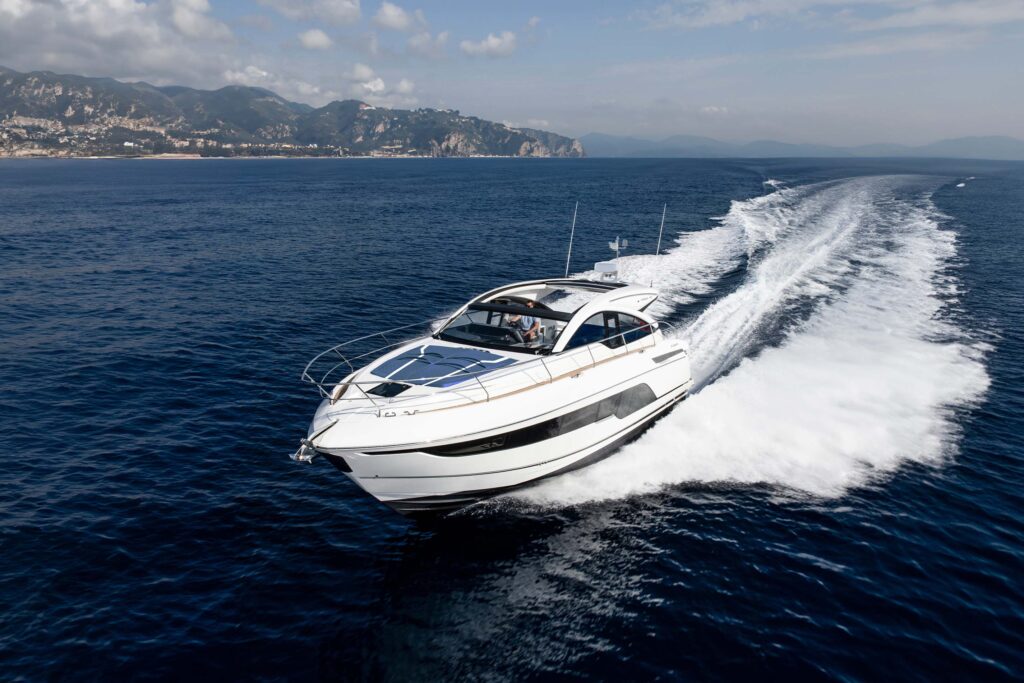
Operating an open cruiser requires a layout that embraces the elements without sacrificing offshore capability. Fairline has officially resurrected the popular Targa 47 Open, integrating a full-length sliding roof and an expanded deck footprint into the 48-foot hull. Hand-built in Oundle, this twin-diesel platform reaches 32 knots while accommodating four guests in a highly refined two-cabin configuration. Discover the architectural shifts defining this highly anticipated British revival.

Read More »
Technology and Innovation

Twin 2,000-HP MTUs and a Redesigned Beach Club: Unpacking the New Riva Build

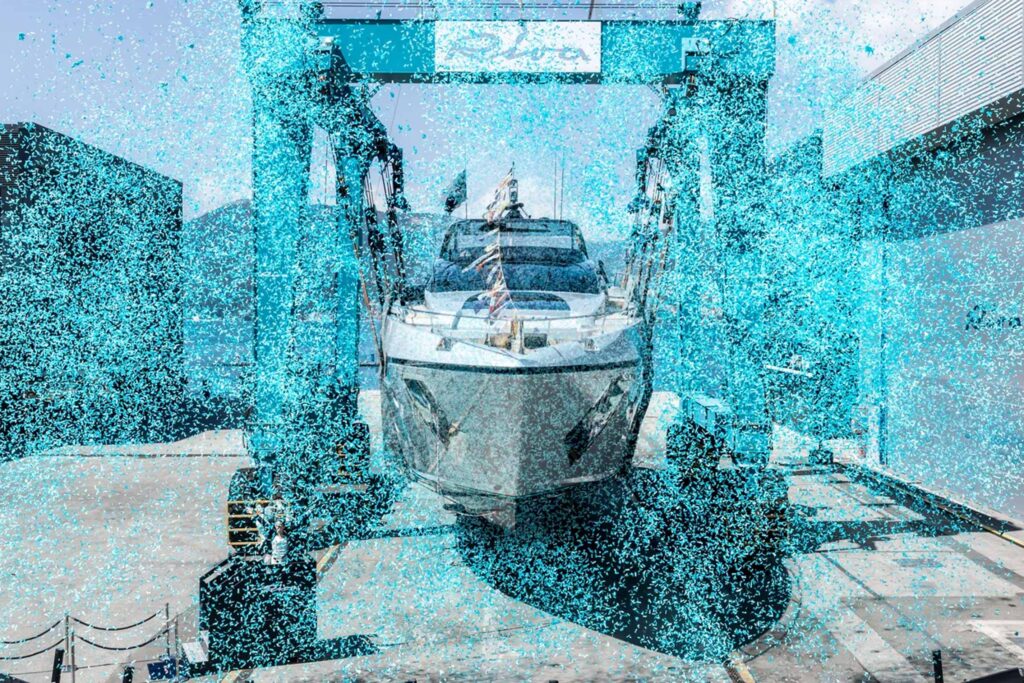
Evolving a highly successful hull lineage requires deliberate structural adjustments to improve spatial flow. The Ferretti Group has officially launched the first 28.8-metre Riva 96 Argo Super in La Spezia. Preparing for a September debut at the Cannes Yachting Festival, this flybridge platform introduces a completely redesigned beach club, twin 2,000-horsepower MTU engines, and a relocated day head configuration. Review how Officina Italiana Design transformed the aft deck footprint for superior liveability.

Read More »
Technology and Innovation

Outboard Propulsion Meets Aerospace Composites on the Marcopolo MP12

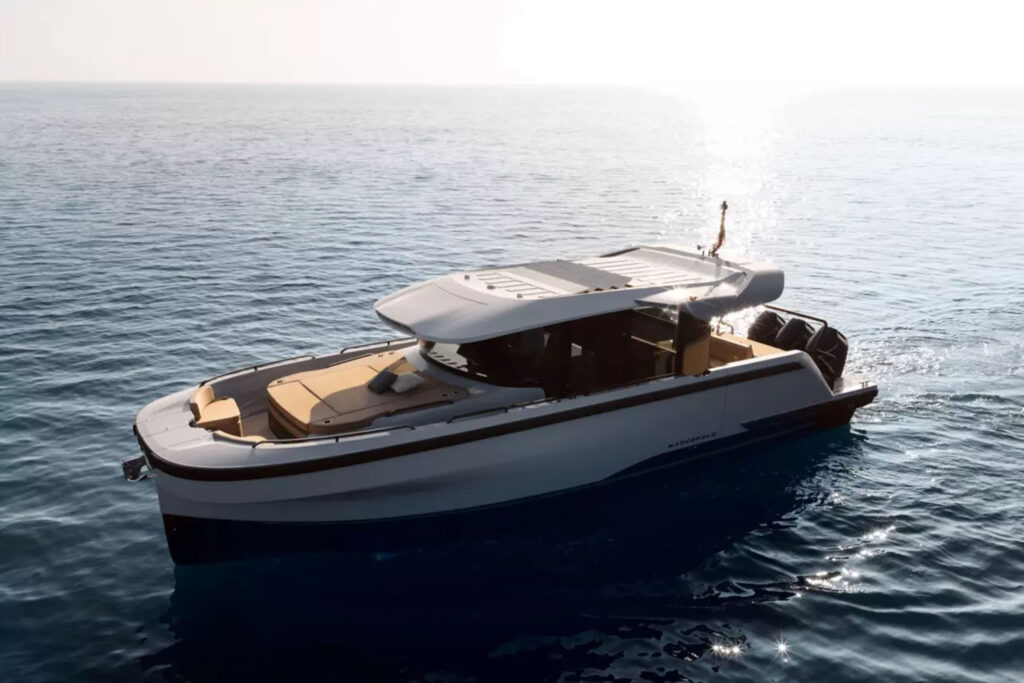
Pushing an explorer platform to 40 knots requires a distinct departure from traditional marine composites. The Aschenez group has officially entered the adventure sector with the Marcopolo MP12, a modular outboard cruiser utilizing aerospace-grade honeycomb polypropylene and carbon fiber architecture. By replacing conventional inboard layouts with triple 450-hp outboards and fold-down side terraces, the builder fundamentally alters aft deck utility. Discover the mechanical parameters driving this highly adaptable new triple-step hull.

Read More »
Technology and Innovation

The 68.9-Metre Zero Hull: Vitters Launches a Fossil-Fuel-Free Superyacht

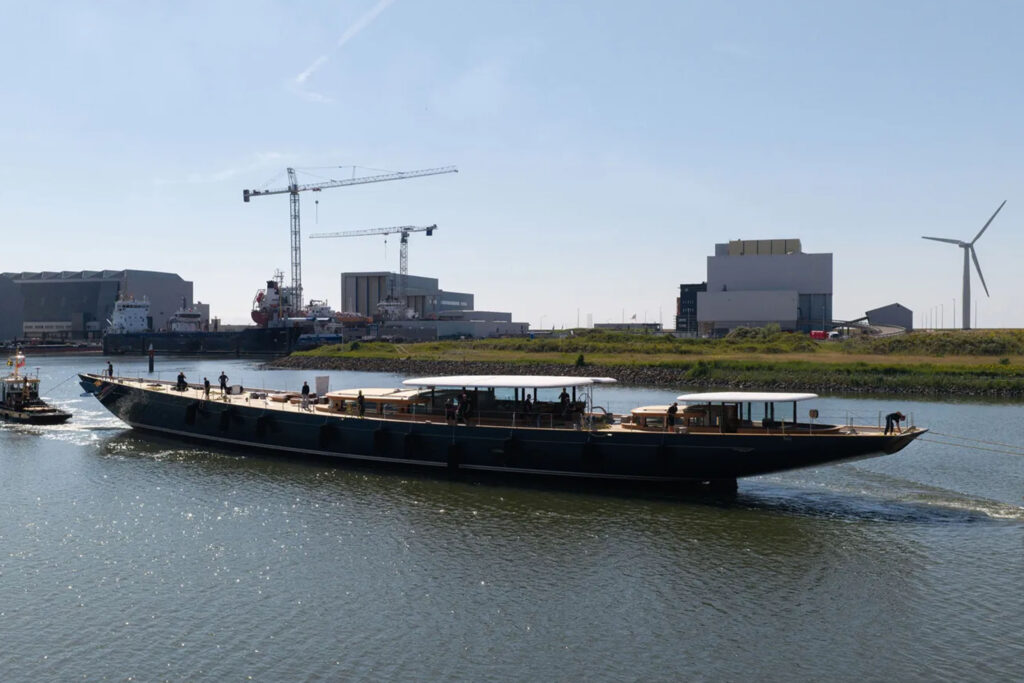
Eliminating combustion reliance on large sailing yachts demands severe structural adjustments. Vitters Shipyard has officially launched Zero, a 68.9-metre vessel engineered to operate entirely free of fossil fuels. Relying on a 700-volt DC grid, hydroelectric turbine propellers, and 100 square metres of photovoltaic thermal panels, this 494GT build can sustain two weeks of continuous autonomous cruising. Examine how Vripack and Dykstra Naval Architects executed this open-source environmental experiment.

Read More »
Technology and Innovation

Shedding a Ton: How Catana Engineered the OC2 for Long-Distance Cruising

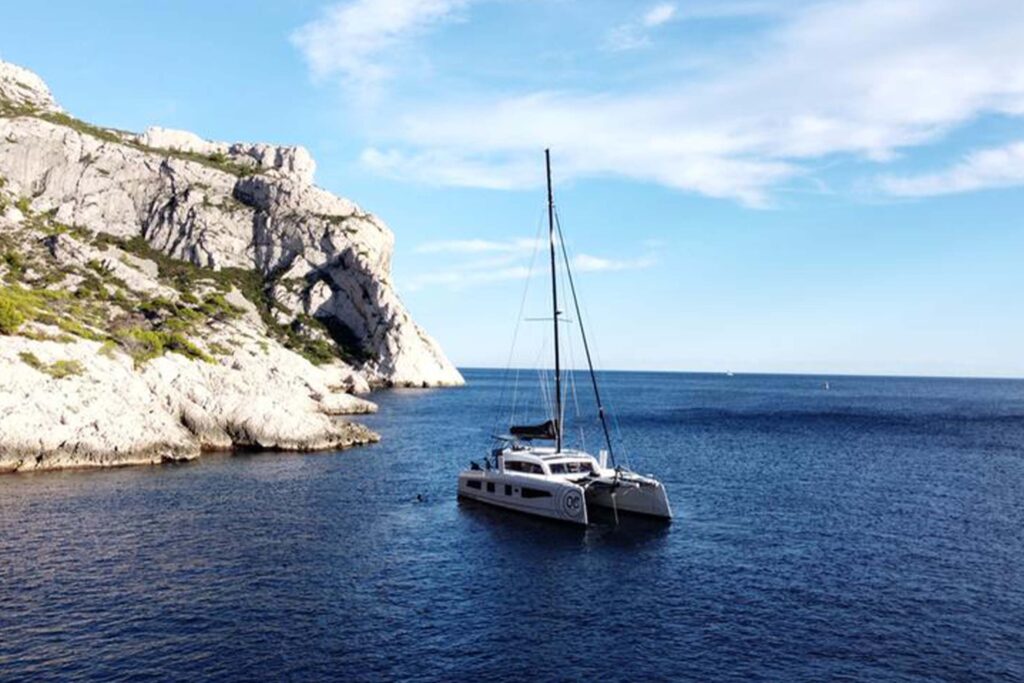
Shaving a full ton off a blue-water catamaran requires a complete overhaul of traditional interior construction. Catana has drastically altered the displacement of its new OC2 model by integrating specialized technical foams across all onboard fittings. Driven directly by three years of owner data and offshore feedback, the shipyard optimized carrying capacity without sacrificing liveaboard comfort. Discover the architectural shift defining the latest Ocean Class platform.

Read More »
Technology and Innovation

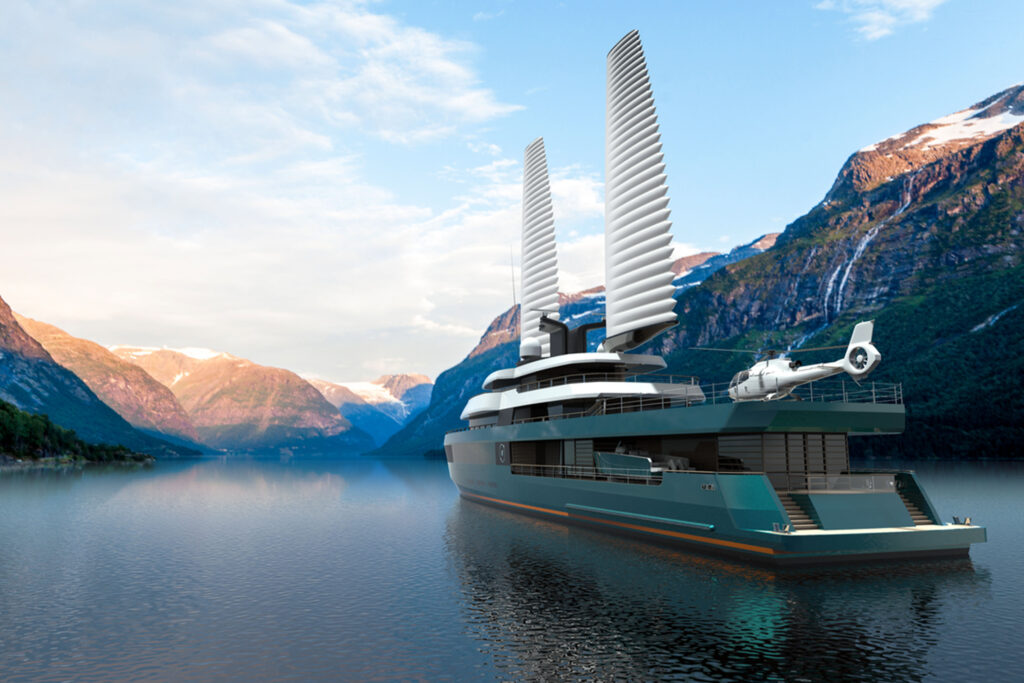
Automating Wind Power: Inside the 170-Square-Metre Retractable Wisamo Mast

Operating a traditional sailboat requires intense physical coordination and crew management. Michelin aims to simplify wind propulsion with the Wisamo wingsail, an autonomous, fully retractable rig designed for both pleasure yachts and commercial merchant vessels. After extensive testing alongside French navigator Michel Desjoyeaux and the Compagnie Maritime Nantaise, the 170-square-metre automated sail is entering commercial production. Discover how this self-reefing structure reduces fuel burn while maintaining complete deck clearance.

Read More »
Technology and Innovation

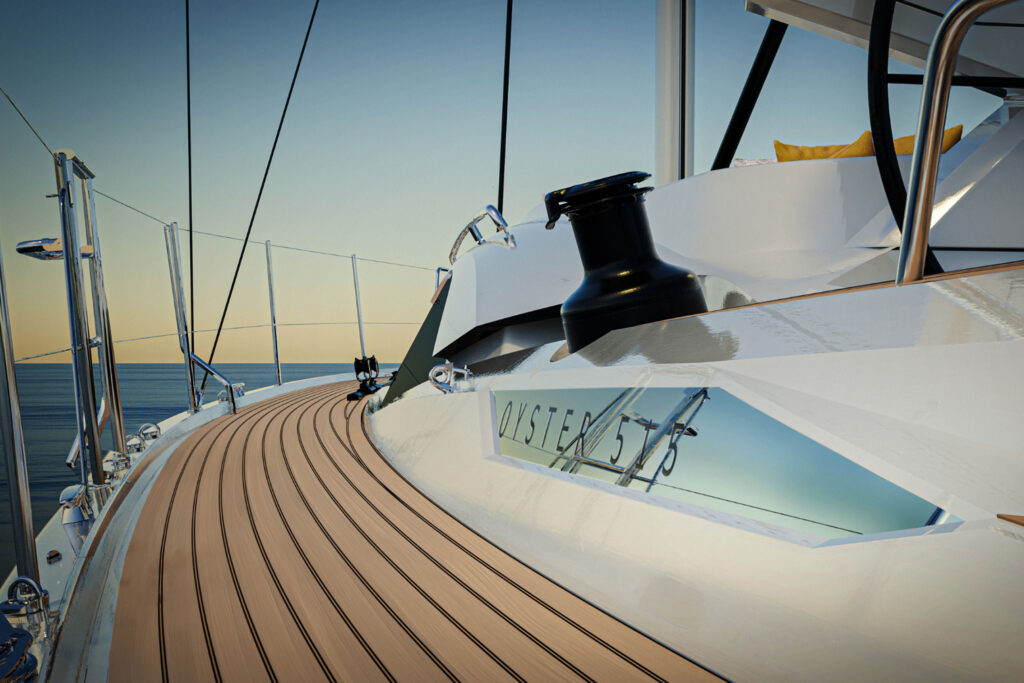
Sunken Lounges and Twin Helms: Decoding the Sail Plan of the Oyster 515

Operating a 54-foot bluewater cruiser shorthanded traditionally requires significant compromise in exterior living space. Oyster Yachts challenges that constraint with the newly developed Oyster 515. By integrating an entirely reimagined aft deck featuring a sunken lounge and expanded bathing platform, the British builder maximizes the entertainment footprint. Discover how Humphreys Yacht Design implemented twin helm stations and a 123-square-metre sail area to shift the capabilities of this 51,940-pound vessel.

Read More »
Technology and Innovation

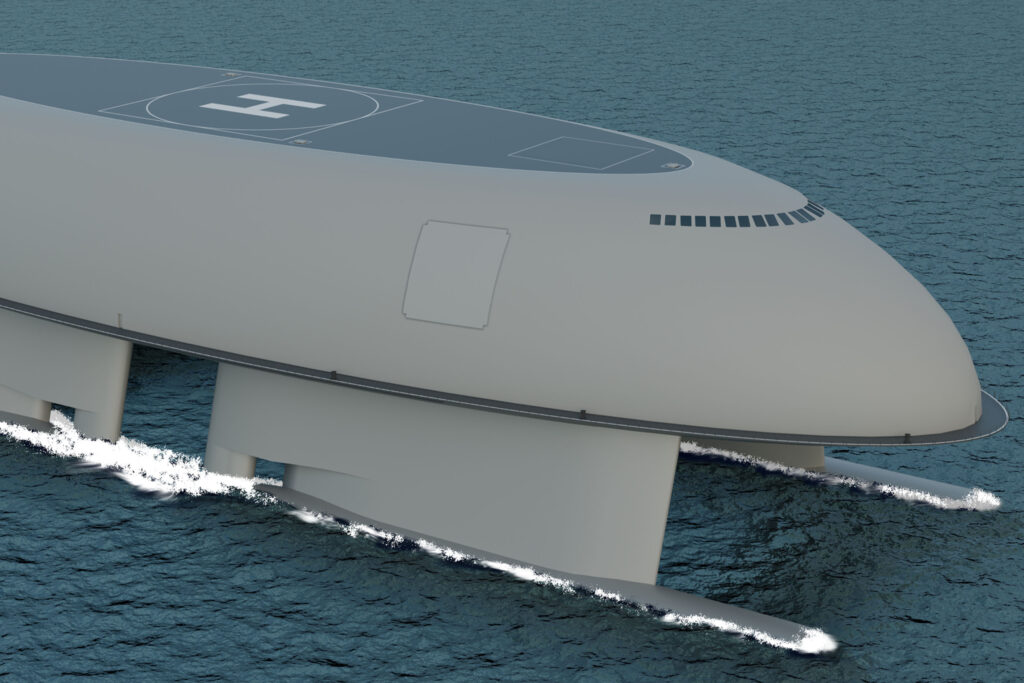
Scaling to 100 Megawatts: How Optimal Transit Converts Ocean Heat into Computing Capacity

The explosive growth of artificial intelligence requires massive electrical consumption, forcing the tech sector to search for viable alternatives to the overburdened terrestrial grid. Optimal Transit has introduced Kraaken, a fully self-powered maritime data center operating on a proven SWATH hull. By combining deep ocean water with internal thermal output, these mobile facilities generate their own carbon-free electricity. Discover how moving server farms offshore drastically reduces capital expenditures and avoids terrestrial restrictions.

Read More »
Scroll to Top