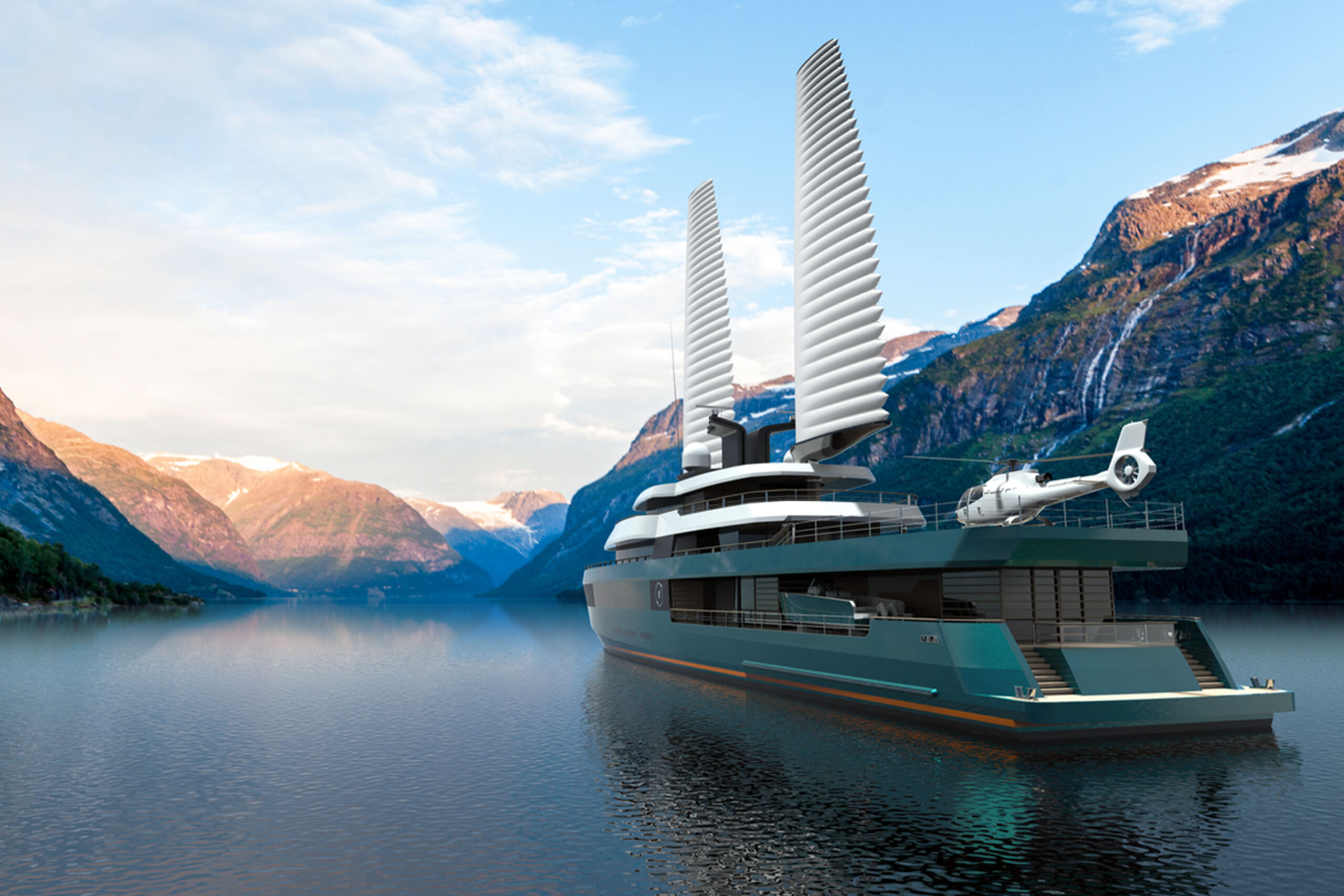
The leisure marine market is currently dominated by combustion engines, with 80 percent of registered pleasure boats operating strictly on motor power. While these vessels offer straightforward operation subject to basic licensing, they consume massive amounts of fuel and generate significant carbon emissions. Operating a traditional sailboat offers a cleaner alternative, but the physical demands of constant maneuvering restrict its overall accessibility. To bridge this operational gap, Michelin developed the Wisamowingsail to provide a hybrid propulsion solution that utilizes wind energy without requiring intense crew coordination.
Automating the Wind Propulsion Dynamic
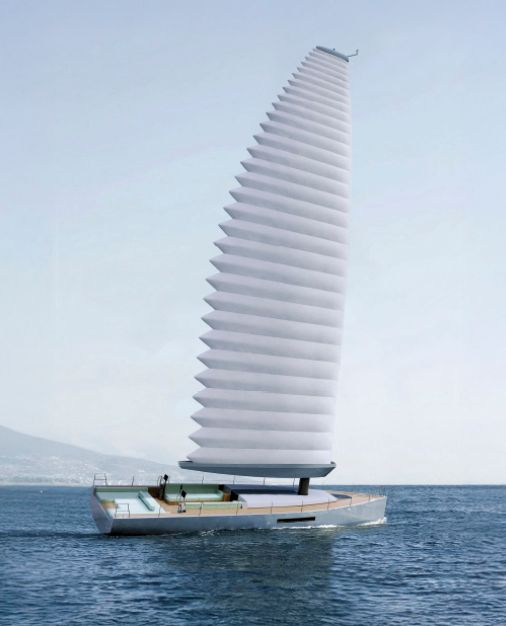
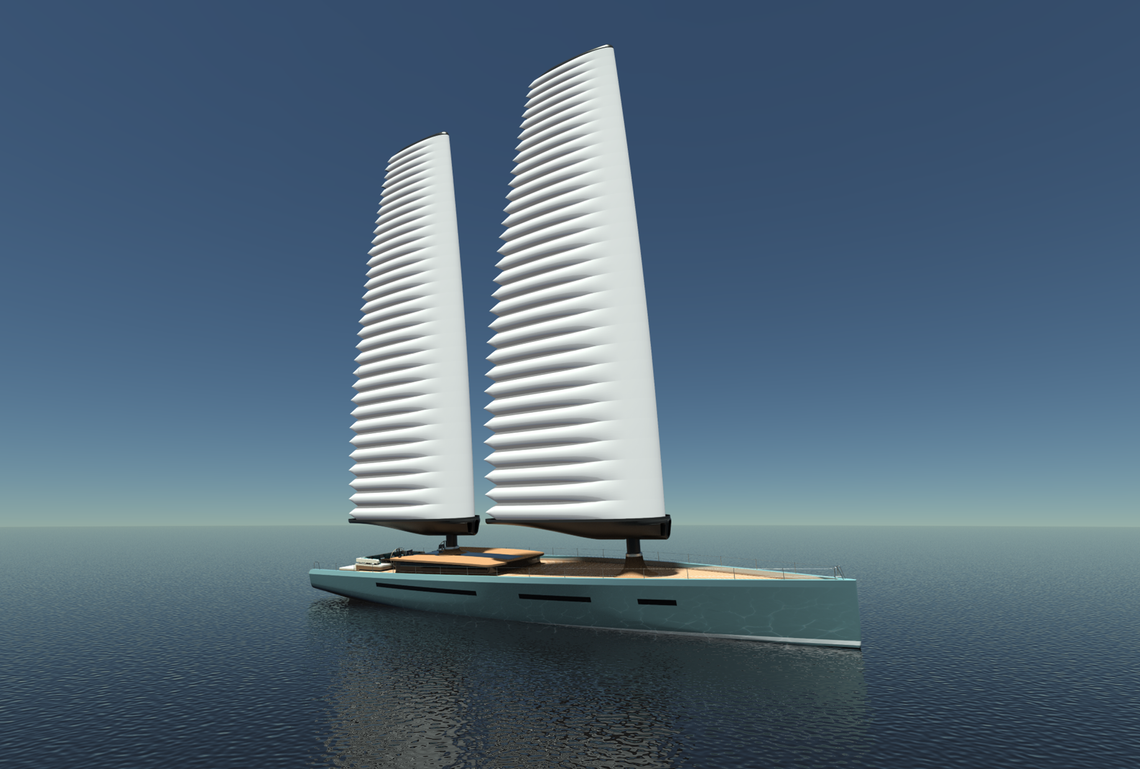
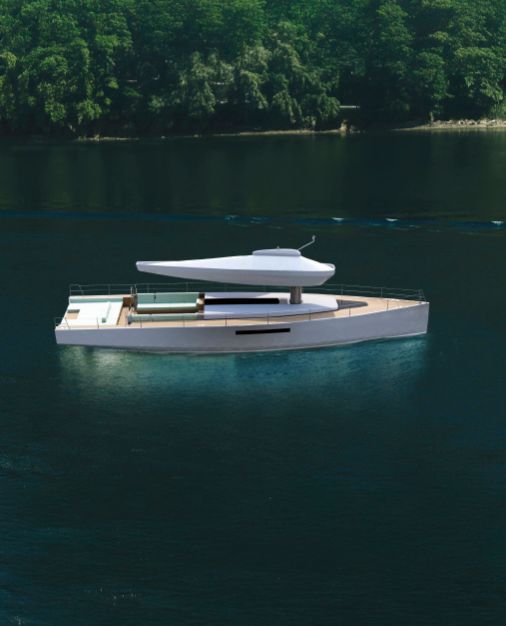
The core of the Wisamoplatform is an automated wingsail that adapts to prevailing wind conditions autonomously. Unlike conventional canvas setups that require manual winching and continuous trim adjustments, this system actively reefs itself when necessary. During severe weather, the wing transitions into a safety mode and lowers automatically, retracting the mast fully to eliminate unwanted dunnage and maintain hull stability. This creates an unobscured deck profile, completely free of the fittings and guy wires that typically clutter traditional sailing layouts.
Collaborative Prototyping on the Atlantic
Testing experimental propulsion requires rigorous real-world validation. In 2021, Michelin partnered with French navigator Michel Desjoyeaux to install an initial 100-square-metre prototype on his personal sailing yacht. The initial trials took place on Switzerland’s Neuchâtel Lake before transitioning to the aggressive maritime environment of the Atlantic Ocean. Desjoyeaux confirmed that the system allows operators to simply activate the hardware and stay on course, dramatically reducing the physical workload typically associated with wind-powered navigation.
Image from WISAMO
Scaling Up for the Commercial Sector
Following successful leisure testing, the project expanded to handle heavy commercial loads. In 2023, the classification society DNV granted an Approval In Principle, allowing the system to scale up for the merchant shipping sector. A second 100-square-metre prototype was subsequently fitted to the MN Pelican, a Ro-Ro ship operated by the Compagnie Maritime Nantaise. Throughout the testing phase, the vessel covered 2,476 miles per week, operating across the Bay of Biscay and the English Channel between Spain and the UK to prove the wing’s durability in deep maritime conditions.
Assembly and Market Availability
Data gathered from the MN Pelican trials directly informed the final production architecture. Having removed the 100-square-metre test unit, the engineering team has transitioned to a 1:1 scale commercial rollout. Production is now focused on the commercialization of a 170-square-metre variant. The Michelin plant in Vannes has adapted its assembly workshops to manufacture these units, positioning the Wisamosystem as a viable hybrid propulsion alternative for both large motor yachts and merchant fleets looking to cut operational fuel costs.