- Technology and Innovation
Scaling to 100 Megawatts: How Optimal Transit Converts Ocean Heat into Computing Capacity
The Terrestrial Grid Limitation
The expansion of artificial intelligence requires an immense supply of electricity and freshwater cooling, putting severe strain on terrestrial infrastructure. Optimal Transit introduced a direct response to these land-based restrictions with the Kraaken platform. These maritime data centers are designed to operate independently from the traditional grid by moving hyperscale computing directly offshore.
Defining the Kraaken Platform
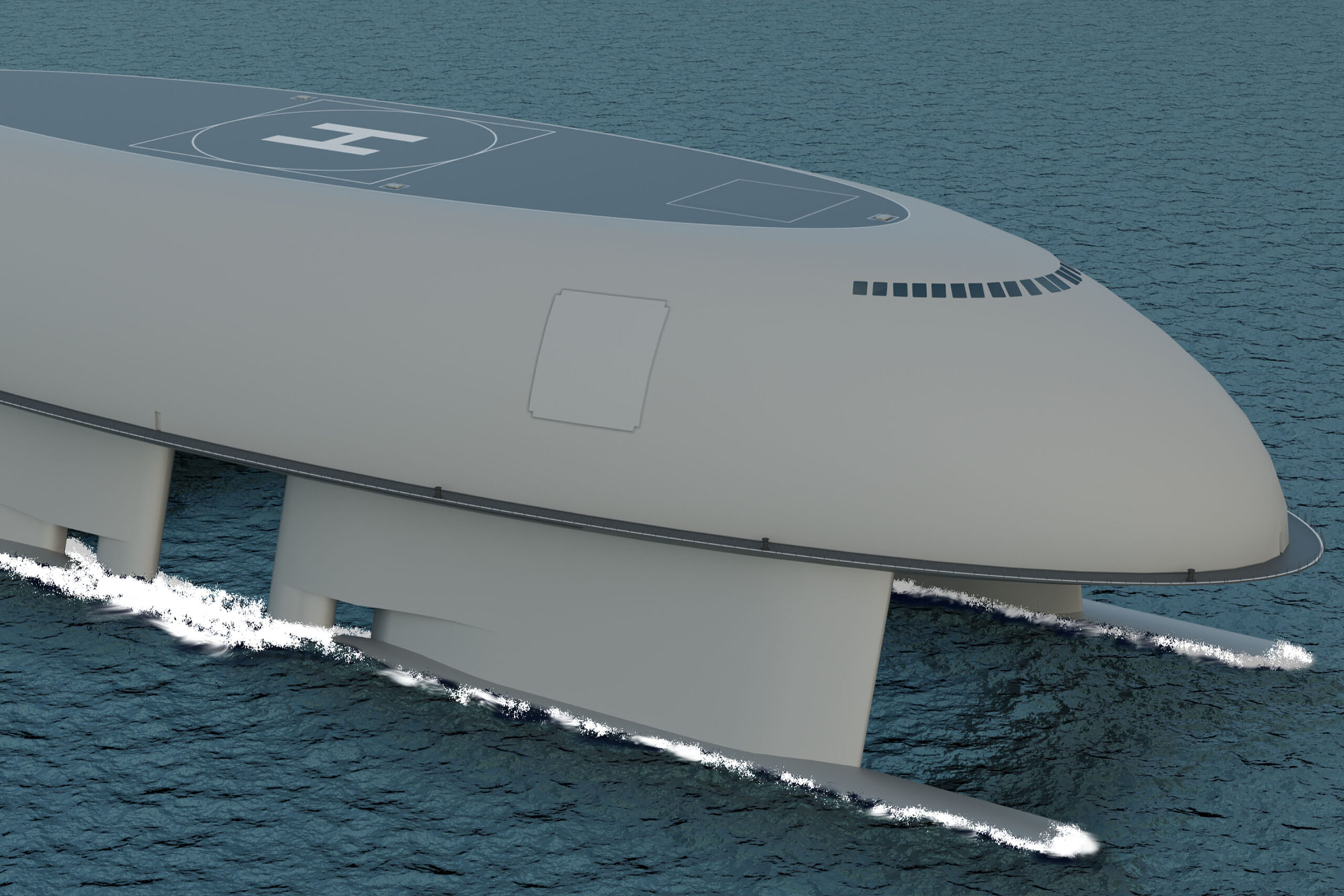
Built upon proven Small Waterplane Area Twin Hull (SWATH) vessel technology, the Kraaken lineup scales through 10, 20, 50, and 100-megawatt configurations. Rather than relying on experimental marine tech, the vessels utilize commercial-off-the-shelf components, including standard gas turbines and marine propulsion systems. This physical foundation ensures exceptional stability for liquid-cooled modular computing racks while maintaining continuous high-bandwidth satellite communications.
Thermal Generation on the Water
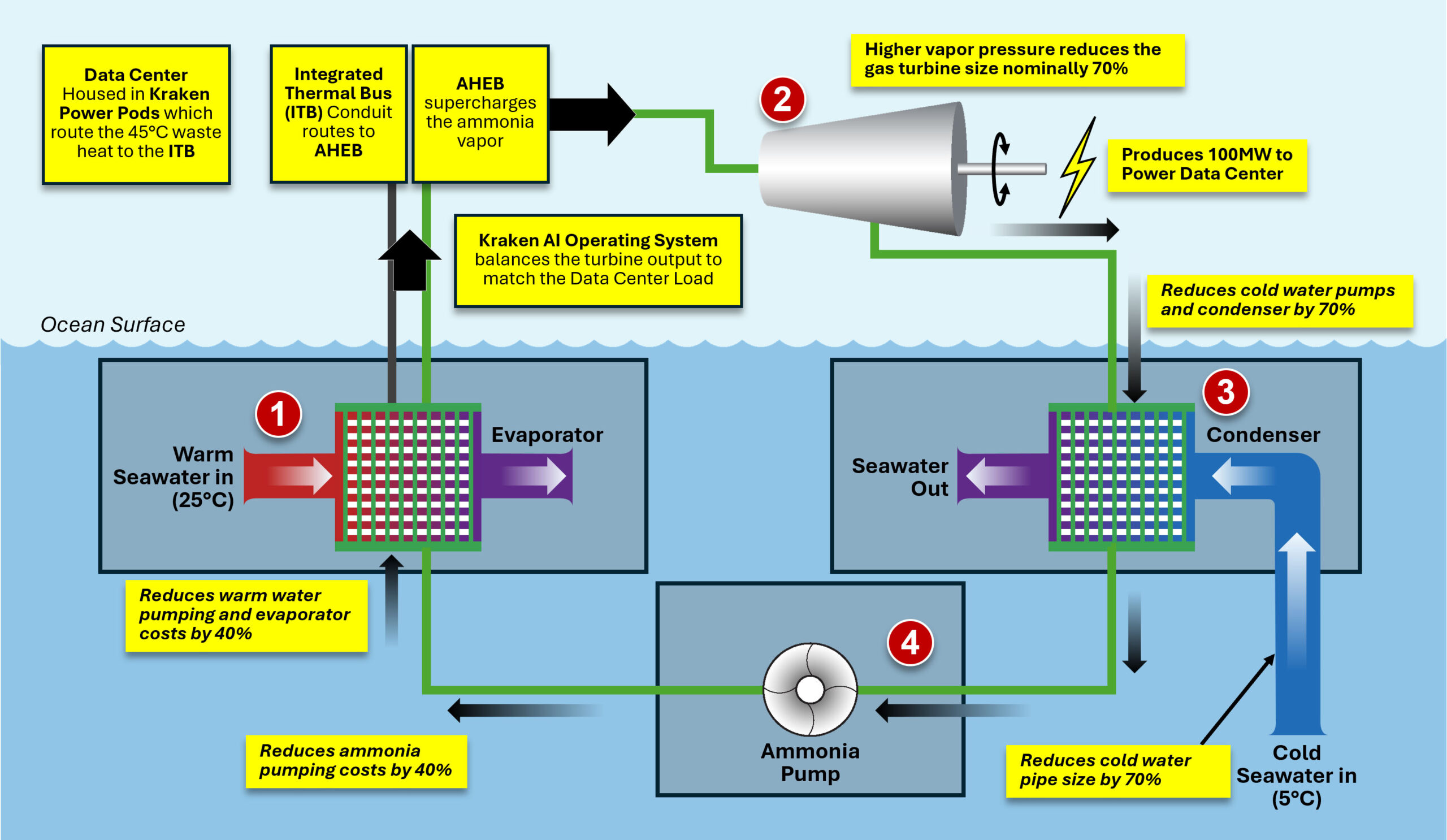
Supplying power to a 100-megawatt facility usually demands dedicated terrestrial power plants. The Kraaken generates continuous electrical power by merging the thermal energy stored in the ocean with the waste heat produced by the data center itself. Optimal Transit achieves this through a patented multi-stage Digital Ocean Thermal (DOT) engine. This system utilizes Rankine cycle technology, enthalpy recovery logic, and green ammonia synthesis to provide carbon-free baseload generation 365 days a year.
Capital and Operational Economics
Building a conventional 100-megawatt data center on land requires an infrastructure investment between $900 million and $1.5 billion, carrying annual operating costs ranging from $80 million to $150 million. Optimal Transit estimates the infrastructure cost for a standardized 100-megawatt Kraaken is under $500 million, excluding computing hardware. Because the vessel generates its own electricity and handles its own cooling, annual operating expenses drop to between $10 million and $20 million. The platform depreciates over a 30-year operational life, supporting an estimated payback period of three to four years.
Mobility and Climate Evasion
Fixed coastal infrastructure is inherently vulnerable to severe weather events. If a major storm threatens a moored Kraaken, the platform can simply disconnect from its umbilical and relocate under its own propulsion. Capable of speeds approaching 16 knots, the vessel can actively evade extreme weather systems while continuing its computing operations without interruption.
Establishing Sovereign Power Parks
With approximately 40 percent of the global population living within 60 miles of a coastline, the placement of these vessels offers profound regional security advantages. Optimal Transit envisions connecting multiple platforms to create Sovereign Power Parks. These networks will provide hyperscale processing while exporting up to 35 percent of their continuous electrical generation back to shore through high-voltage fiber-optic umbilicals. Funded by an ongoing Series A round to complete ABS-ready drawings, the company ultimately aims to produce up to 20 of these 100-megawatt platforms annually.