- Technology and Innovation
Low-Bandwidth Offshore Operations: Reshaping Critical Asset Protection
Federating Subsea Intelligence
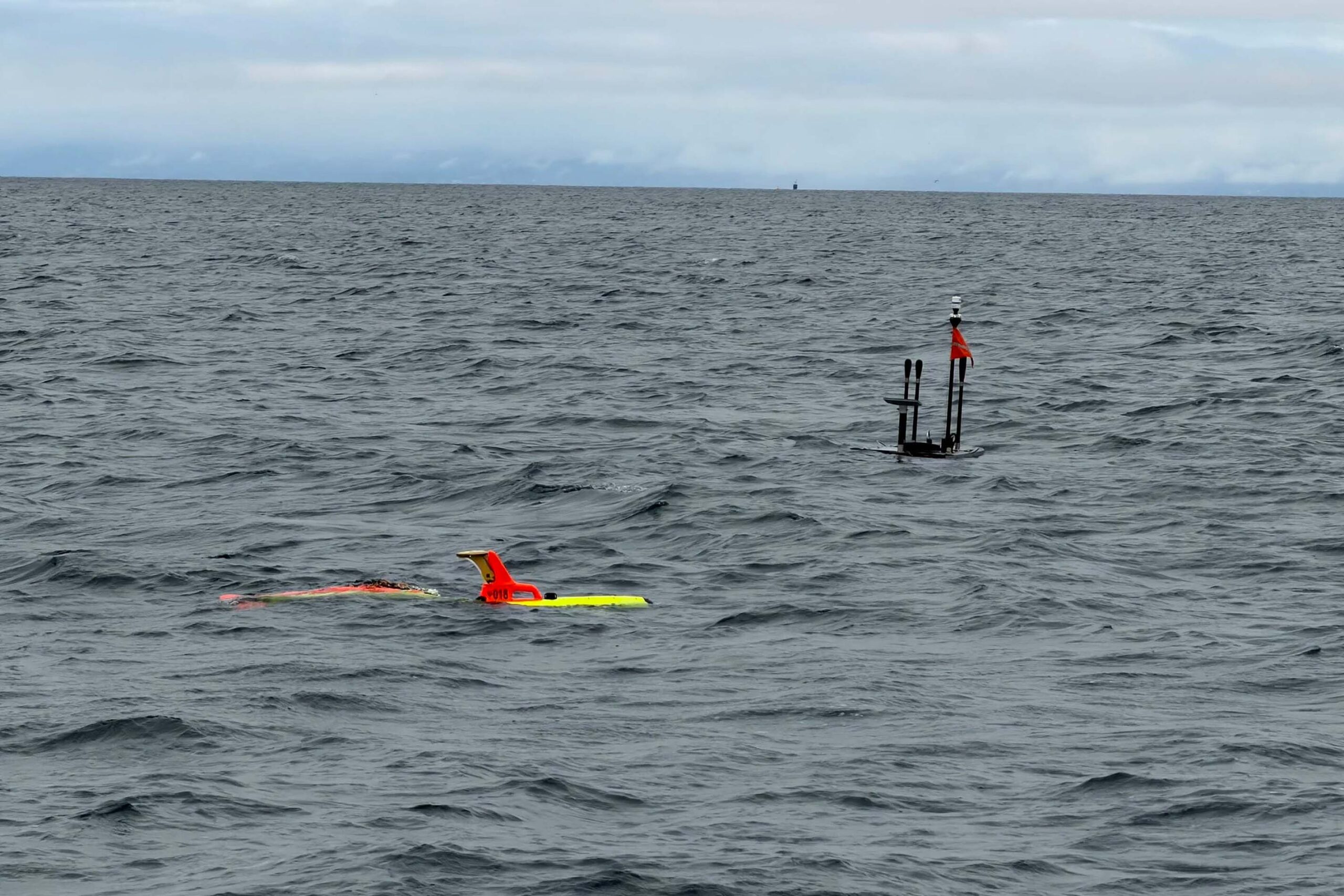
Maintaining situational awareness during subsurface maritime operations demands highly resilient networks. Bedrock Ocean Exploration, Integer Technologies, and Liquid Robotics recently executed a joint autonomy demonstration for the U.S. Navy during Exercise LANTERNFISH 2026. Operating concurrently in Monterey, California, and Little Creek, Virginia, the coalition connected autonomous undersea vehicles to remote operators utilizing low-bandwidth communication channels.
Autonomous Seafloor Surveys
Protecting critical undersea infrastructure requires constant environmental monitoring. During the scenario, Bedrock deployed its autonomous underwater vehicles to conduct persistent intelligence surveys of the seafloor. These specific vehicles successfully established an initial topographic baseline and subsequently detected newly introduced alterations within the submerged environment.
Digital Twin Synchronization
Moving raw data through water is computationally expensive and slow. To optimize transmission, Integer utilized its DIGIT UxV mission assurance software. Instead of broadcasting heavy data files, the software generated compact synchronization updates containing details on vehicle performance, energy margins, and subsystem health. These targeted updates populated shore-based operational digital twins, giving decision-makers immediate clarity regarding the mission status.
Surface Relay Capabilities
Submerged assets require a physical bridge to reach satellite networks. The mission updates were transmitted acoustically from the Bedrock vehicles to a Liquid Robotics Wave Glider positioned on the surface. Acting as a persistent communications gateway, the uncrewed surface vehicle relayed the localized data through satellite links directly to maritime operations centers on land.
Federated Military Networks
Once the information reached the shore, the mission assurance software synchronized the data into secure government frameworks. The federated intelligence was directly integrated into TAK-enabled systems, specifically incorporating the Maven Smart System. This operational structure allowed operators to retain mid-mission awareness without requiring a crewed support vessel to hover directly over the active operational zone.
Evaluating Future Integrations
By limiting the volume of acoustic transmissions, the vehicles conserved energy and reduced their positional exposure. Following the demonstration, the involved companies confirmed plans to expand multi-vehicle operations and support future Department of Defense initiatives. The collaborative exercise illustrated a functional pathway for scaling autonomous maritime fleets across constrained communication environments.