- Technology and Innovation
Underwater Drones and AI: A Professional Realignment of Marine Intelligence
The Mediterranean Realignment
The Port of Barcelona is preparing for a definitive display of maritime intelligence. Fujitsu Limited and the BCN Port Innovation Foundation have officially signed an agreement to develop a proof of concept for an Ocean Digital Twin. This isn’t merely a data project; it is a calculated professional offensive designed to integrate AI and underwater robotics into the very fabric of the port’s infrastructure. By creating a high-fidelity digital model of the seabed, the partnership is establishing a new professional standard for marine environmental management.
Autonomous Intelligence at Depth
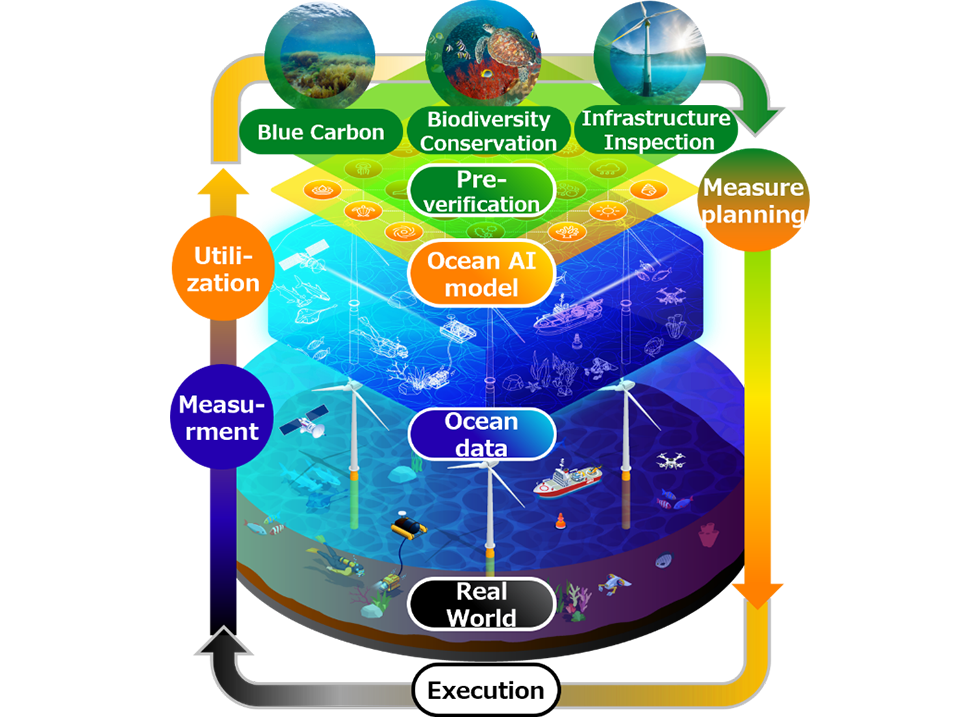
The architecture of this strike relies on a fleet of autonomous surface and underwater vehicles equipped with real-time stabilization. These drones follow optimized survey routes to capture high-resolution representations of the seabed without disturbing the ecosystem. This non-destructive approach allows for a level of quantitative environmental intelligence that mocks the slow, invasive methods of the past. Machine learning models then convert this raw data into precise metrics on vegetation cover and habitat distribution, providing a strong empirical foundation for regeneration.
The Blue Carbon Initiative
A primary objective of the 2026 deployment is the estimation of Blue Carbon—the carbon captured and stored by marine algae and coastal vegetation. By visualizing and quantifying biomass through the digital twin, the BCN Port Innovation Foundation can centralize biodiversity information on a unified digital platform. This focus on blue carbon absorption aligns with global climate neutrality goals, turning the Port of Barcelona into a high-value enclave for carbon sequestration research and certification.
Simulating the Environmental Future
The platform developed by Fujitsu goes beyond simple observation by enabling the simulation of “what-if” scenarios. Port authorities can now pre-verify environmental measures before implementation, allowing them to prioritize investments based on real-world impact. This capability acts as a tactical tool for balancing aggressive port activity with the preservation of the natural environment. Whether identifying priority zones for protection or areas suitable for rehabilitation, the digital twin ensures that every decision is backed by immersive, data-driven logic.
Architecture of the Blue Economy
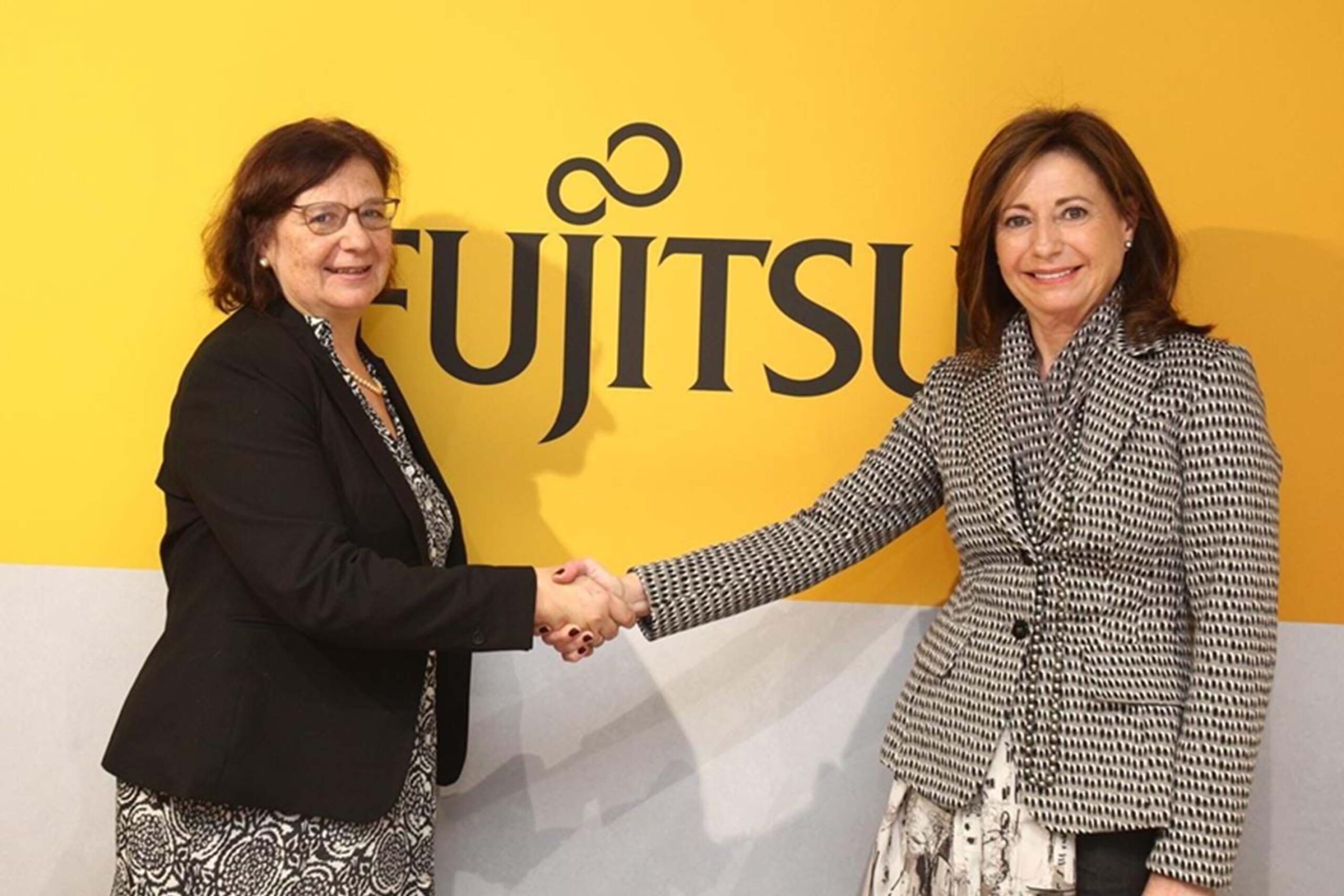
Beyond the technical specs, the project is a fundamental driver for the local Blue Economy. By fostering greater transparency and awareness, the digital twin brings knowledge of the marine environment closer to stakeholders. Angeles Delgado, President of Fujitsu Spain, emphasizes that this technology transforms complex data into actionable information to protect biodiversity. It opens new avenues for marine research and scientific outreach, ensuring that Barcelona remains at the forefront of sustainable maritime innovation.
The 2026 Operational Standard
As Fujitsu and BCN Port Innovation plan the full execution of this proof of concept throughout 2026, the message to the international maritime community is clear. The era of fragmented port data is over. By centralizing biodiversity monitoring and predictive simulation, the Barcelona deployment provides a professional gateway for other global ports to follow. The future of seabed regeneration is being built now, and it is more technically sophisticated than ever before.