- Lifestyle and Culture
The Reality of Dockwalking: Why High Turnover Plagues the Superyacht Industry
The Reality Behind the Luxury
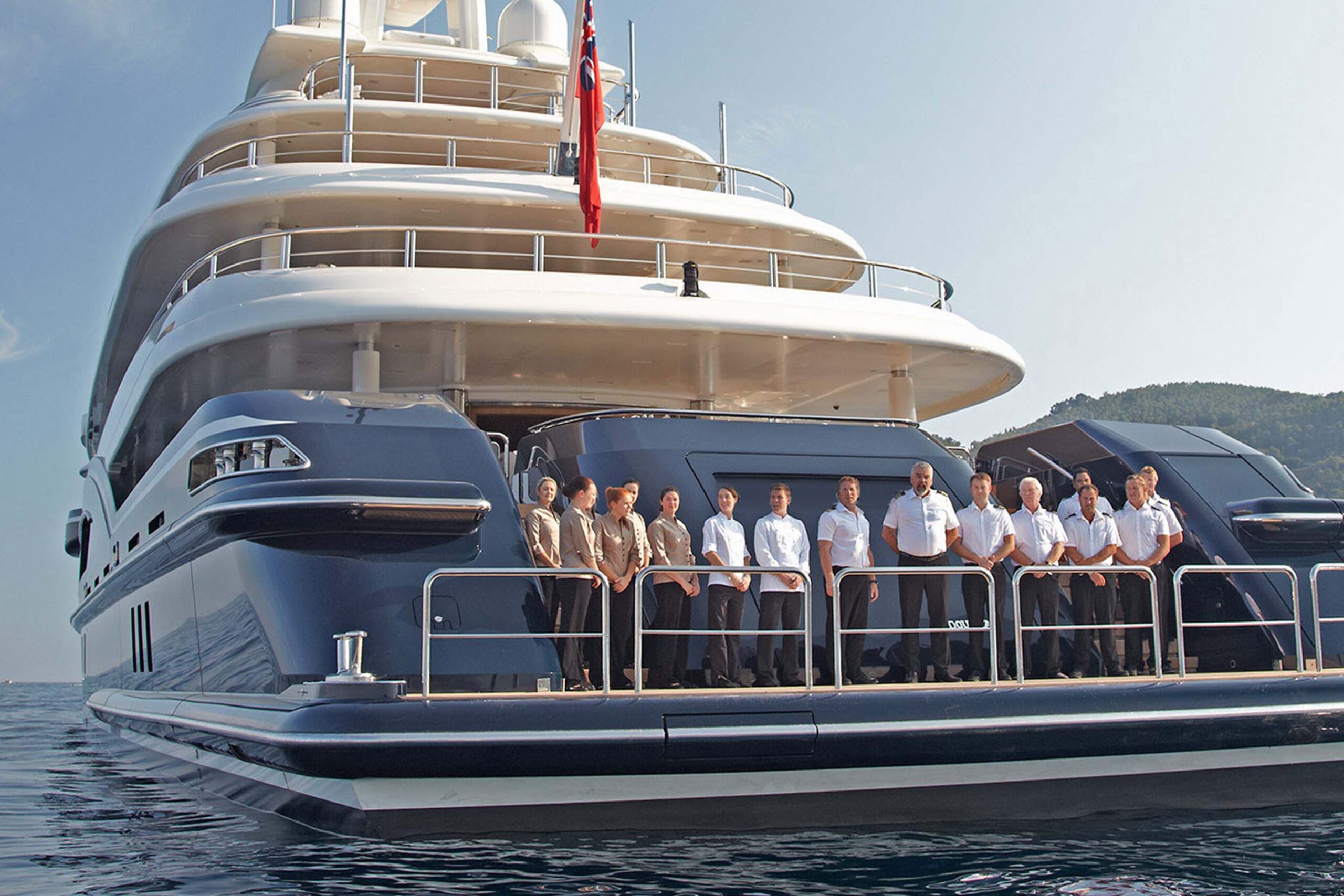
The superyacht industry projects an image of effortless luxury, but maintaining that illusion relies entirely on the technical and hospitality skills of the crew. From navigation to mechanical maintenance and emergency response, every crew member must hold internationally recognized certificates. Despite this required level of professionalism, the position of a yacht crew remains highly precarious. Issues such as excessive working hours, isolation, and mental health struggles are persistent problems that the industry is only beginning to address openly.
The Crew Voices Forum
To address these escalating concerns, the industry has established the Crew Voices program, which will take place at The Superyacht Forum alongside the Metstrade event in November. Initiated by Kayleigh Liddell of Hill Robinson and the Superyacht Alliance Think Tank ‘Bridge between’, the forum aims to give crew a platform to speak out. During the previous Metstrade edition, the International Seafarer’s Welfare & Assistance Network (ISWAN) revealed alarming stories of crew facing sexual harassment, bullying, and wage withholding. The upcoming forum seeks to shift the narrative, emphasizing that investing in crew welfare is a fundamental necessity for safe operations.
The Cost of High Turnover
The demanding nature of the job frequently leads to high turnover, a phenomenon known in the industry as “dockwalking.” Liddell notes that this fast pace of crew changing yachts creates significant problems for both captains and owners. The root cause is often the failure to provide a safe and rewarding workspace. Because every yacht develops its own distinct culture—ranging from highly professional to informal and friend-based—matching the right crew member to the right environment is critical to reducing turnover and maintaining operational stability.
The Leadership Deficit in Captains
While captains possess extensive technical and navigational expertise, they frequently lack formal training in human resources. A captain is legally responsible for everything that occurs onboard, which includes managing a diverse group of people sharing tight quarters while working long hours. Liddell highlights that this environment inevitably leads to tension. The current training scheme for senior crew focuses heavily on maritime law and mechanics but severely neglects the people management skills required to handle sensitive issues like onboard conflicts, mental health crises, or severe harassment.
Enforcing Safety and Guest Education
Fatigue remains one of the most critical liabilities at sea. Captain Kelly Gordon points out that unrealistic work schedules impair judgment and compromise overall vessel safety. She advocates for stricter adherence to rest requirements and stronger reporting systems for discrimination and unsafe practices. Furthermore, both Gordon and Liddell agree that charter guests must be educated on the professionalism of the crew. Liddell suggests that charter agreements should include clauses that permit the captain to disembark guests at the next port if they disrespect the crew or ignore safety protocols.