- Technology and Innovation
The Plastic Dilemma: How Edible Cookie Technology Clears the Onboard Galley
The Burden of Galley Waste
Managing trash on a vessel cruising or racing long distances remains one of the primary logistical challenges for modern crews. Marine debris damages critical habitats and severely threatens sea life, making a comprehensive onboard waste plan absolutely vital. Traditional single-use plastic cups and disposable packaging take up immense physical space within a highly restricted galley environment. On extended voyages lasting several weeks without touching land, storing plastic waste becomes messy, cumbersome, and entirely counterproductive, especially when sailing toward remote coastal communities that lack robust waste management infrastructure.
The Threat of Disposable Culture
The accumulation of single-use items onboard does more than just clutter storage lockers. Cardboard and plastic packaging can inadvertently harbor larvae or undesirable insects within their corrugations, introducing biological risks to the vessel. Furthermore, traditional disposable cups directly contribute to global plastic pollution when single-use habits are maintained at sea. To truly protect the ocean, crews must shift away from trying to store non-recyclable waste and focus instead on reducing plastic usage at the source through smart, design-driven provisioning choices.
Sustainability in an Edible Cup
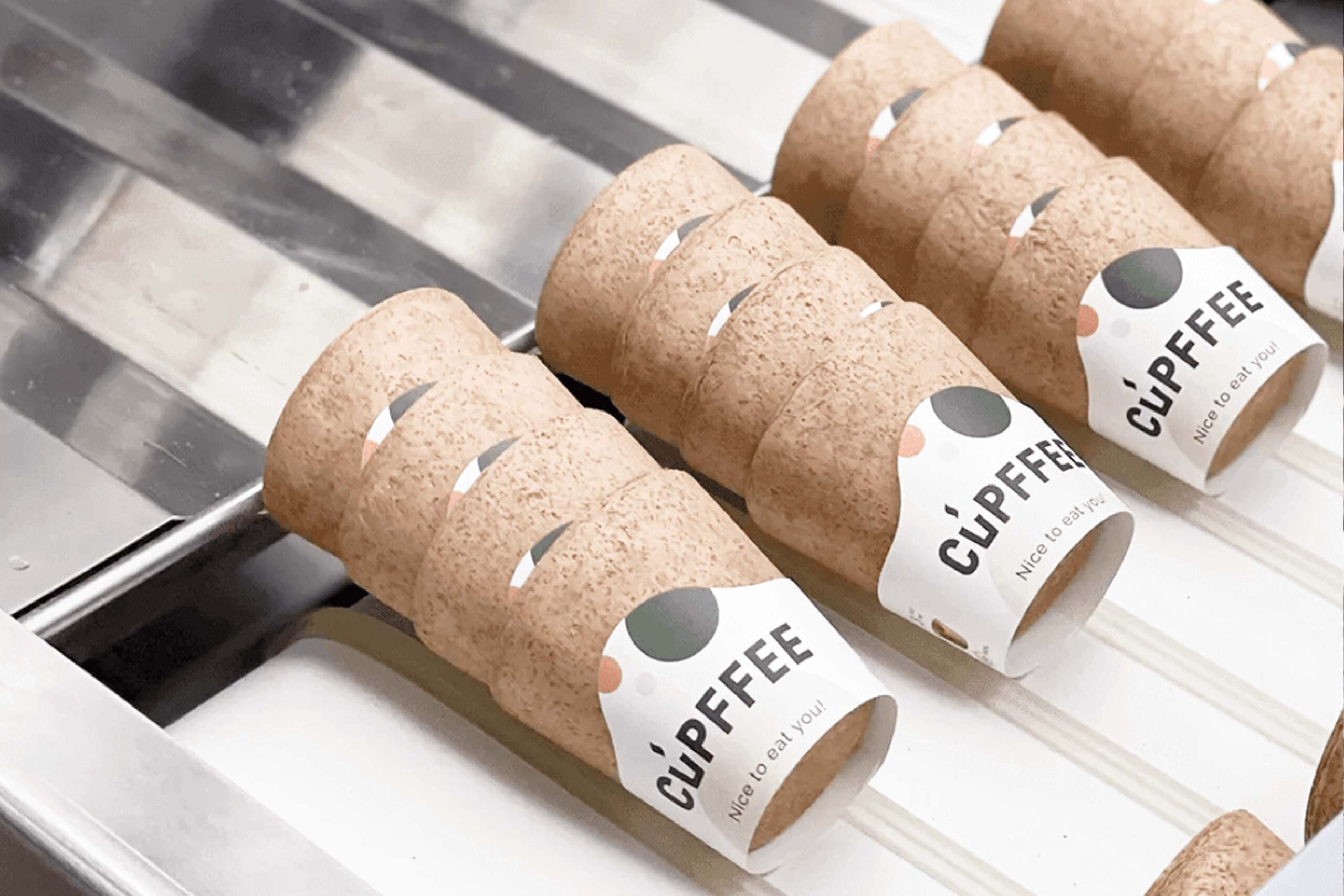
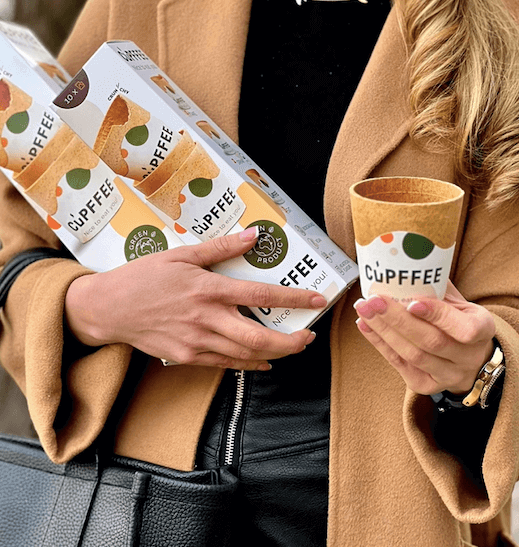
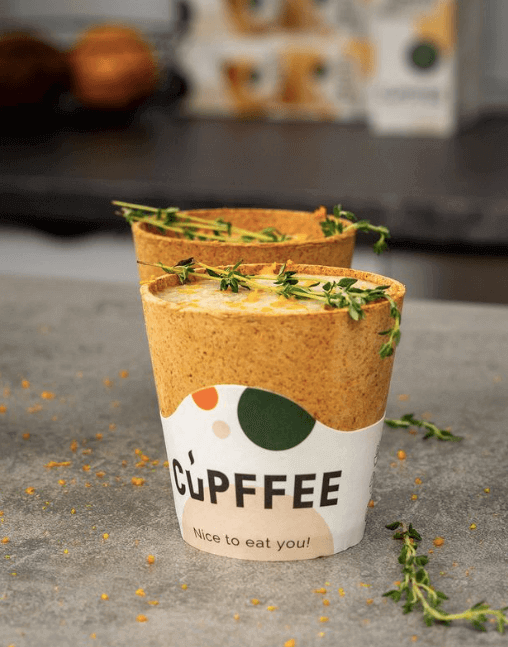
Bulgarian manufacturer Cupffee addresses this maritime deficit by producing a delicious, biodegradable wafer cup designed to completely replace single-use paper and plastic items. This edible cookie cup brings a practical solution to the source level, allowing sailors to consume hot beverages without generating permanent waste. Crafted using entirely natural grains, the crispy cups are engineered to hold liquid without losing structural integrity. By turning a disposable item into a consumable product, the brand fundamentally alters the usage pattern of one-way cups, offering a green alternative that vanishes entirely upon consumption.
Automated Industry 4.0 Processing
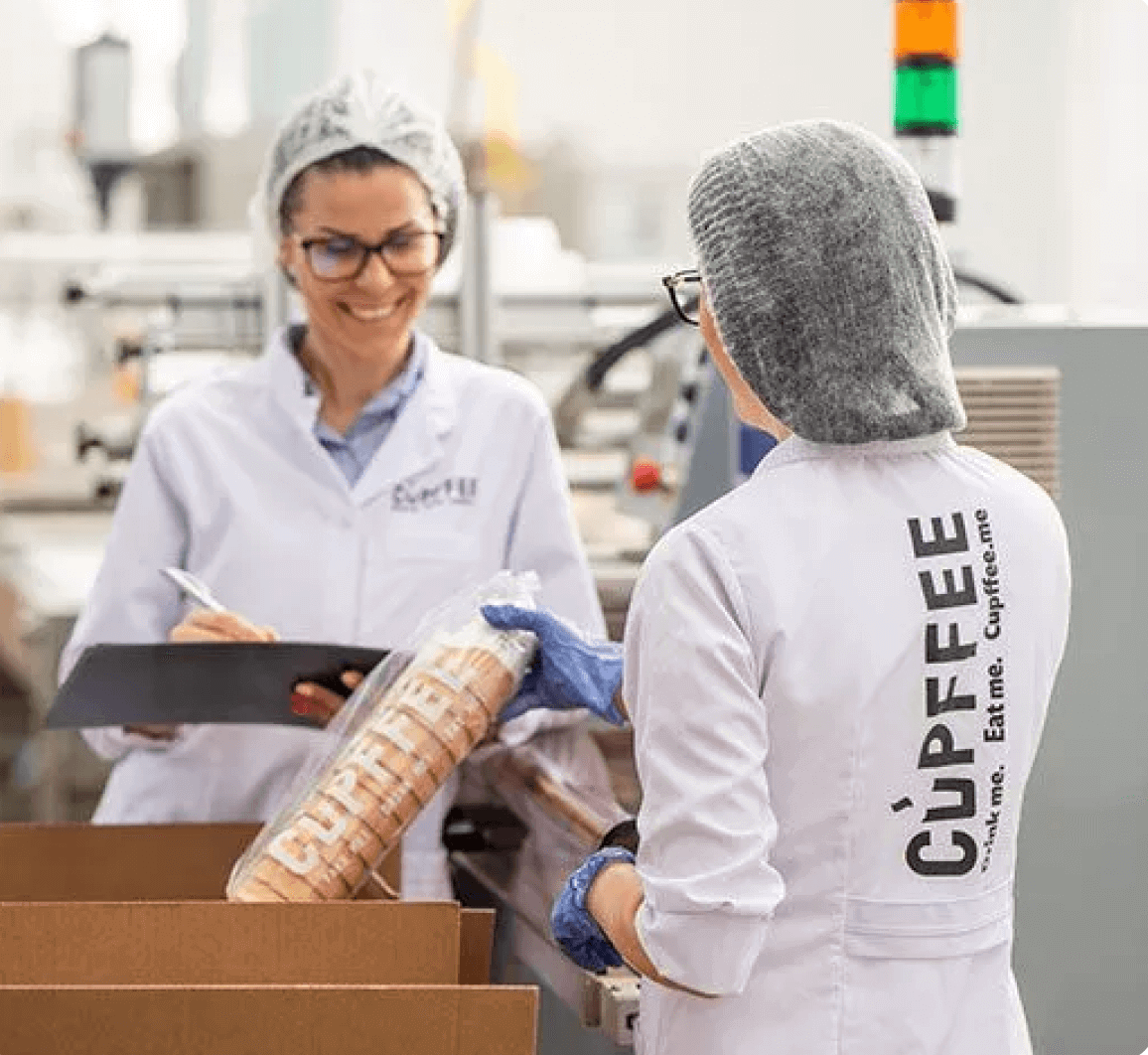
Scaling this edible alternative requires precise, high-tech manufacturing logistics. Cupffee cups are manufactured in Plovdiv, Bulgaria, utilizing a fully automated and digitalized production line. The operation employs advanced machinery from international leaders like Bühler and König, customized specifically to facilitate a proprietary baking process. From mixing the natural grains to dough making, dosing, baking, and packaging, the entire sequence flows continuously to maximize efficiency and guarantee absolute product consistency for global distribution.
Zero-Waste Manufacturing Logistics
The environmental philosophy of the brand dictates its entire factory output. Under the supervision of Production Manager Velina Zapryanova, the automated manufacturing process generates zero industrial waste, releasing only clean steam and the aroma of freshly baked cookies. Any leftover materials from the cup shaping process are instantly reutilized as ingredients for other edible products. This closed-loop system ensures that the manufacturing phase remains as sustainable as the product itself, preventing production scraps from entering landfills or marine environments.
The Visionary Movement
Founded in 2014 by CEO Miroslav Zapryanov, the company has scaled its industrial capacity through strategic investments, moving into a large-scale automated facility in 2020. Alongside CMO Gergana Krusteva, the executive team views the product not merely as a commercial asset, but as a direct mechanism to transform disposable culture. For competitive racing syndicates and long-distance cruisers, integrating edible provisions into the daily routine offers a clear path toward zero-waste ocean voyages, proving that advanced food engineering can actively preserve global waterways.