- News and Industry Insights
The Grey Boat Code Edition 3: Lloyd’s Register Reconfigures Naval Safety Regulations
Establishing a Modern Regulatory Baseline
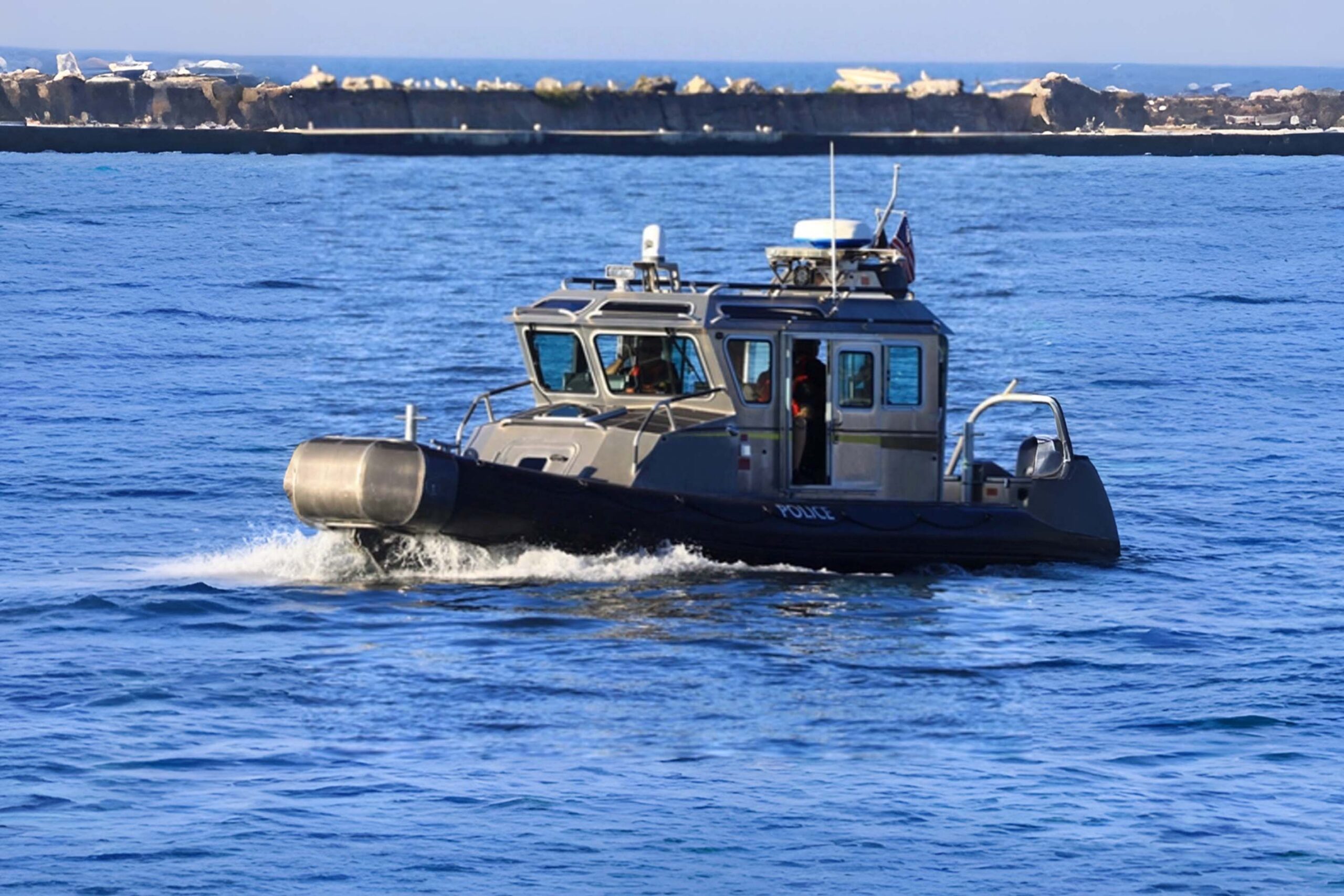
Navigating the certification landscape for government-owned small craft involves highly specific regulatory challenges. Lloyd’s Register (LR) has announced the upcoming publication of the Grey Boat Code Edition 3, scheduled for release in July 2026. This updated safety framework is explicitly engineered for vessels operating in government service, including defense, coastguard, and law enforcement roles. While government craft are frequently exempt from traditional merchant shipping legislation, the baseline expectations regarding due diligence, crew safety, and operational assurance continue to rise across the maritime sector. The revised code addresses this environment by providing a demonstrable and defendable level of safety tailored to specialized operational profiles.
Merging Commercial and Defense Frameworks
A primary focus of the new edition is the synchronization of disparate maritime standards. The updated text aligns closely with the MCA’s Workboat Code Edition 3 and the Sport or Pleasure Code, integrating critical lessons derived from over a decade of real-world application across international fleets. For naval operators, the most critical structural development is the direct alignment of the Grey Boat Code with the INSA Naval Boat Code. Under this revised architecture, the Grey Boat Code serves as the foundational safety standard. Specific naval functions and requirements can then be layered on top of this foundation as necessary, allowing the two distinct frameworks to complement one another rather than forcing procurement teams to choose a single path.
Flexibility for Demanding Coastal Missions
Standardized commercial codes often impose a rigid structure that can severely limit the operational capabilities of specialized defense assets. The third edition of the Grey Boat Code actively recognizes that government craft cannot always adhere to strict commercial standards due to the extreme nature of their missions. To compensate, the framework supports alternative arrangements and specific mitigation measures while strictly maintaining a robust safety baseline. The document outlines comprehensive procedures covering the design, construction, equipment outfitting, and through-life maintenance of the vessels, providing a unified decision-making matrix for both newbuild projects and active in-service craft.
Certifying Unmanned Marine Assets
As maritime operations increasingly rely on autonomous hardware, certification parameters must adapt to uncrewed profiles. For the regulation of unmanned vessels, the Grey Boat Code is designed to be paired directly with the LR Unmanned Marine Systems Code. This pairing ensures comprehensive safety coverage for government-owned autonomous craft. Furthermore, for specialized vessels flagged under the UK Maritime & Coastguard Agency, the MCA Workboat Code Edition 3 and Annex 2 will formally apply.
Industry Integration at Seawork 2026
Stephen Brown, Senior Specialist for Small Craft at LR, stated that the updated code gives boatbuilders and government operators a clearer route to demonstrate safety assurance without constraining tactical capabilities. Prior to the formal July launch, Lloyd’s Register will actively showcase the updated framework at the Seawork 2026 exhibition in Southampton, UK. The organization will host targeted drop-in sessions covering the Grey Boat Code, Unmanned Marine Systems (UMS/ROUVs), and construction materials to brief the industry on the new regulatory expectations.