The Decarbonization Mandate: Yachting Under Scrutiny
The marine industry, accounting for nearly 3% of global greenhouse gas emissions, faces relentless pressure to decarbonize. Regulations from the IMO mandate a forty percent reduction in carbon intensity by 2030, a goal that makes business-as-usual untenable. Even the high-net-worth market is shifting; owners are now actively demanding vessels that reflect environmental values, and marinas are beginning to restrict high-emission vessels. The long reign of diesel is ending, not just due to emissions, but due to a significant reputational burden.
Methanol’s Rising Star: A Realistic Solution
Methanol is surging to the forefront of the debate because it offers pragmatic advantages over other alternative fuels. Unlike liquid natural gas (LNG), which suffers from methane leakage, or hydrogen, which requires complex, high-pressure storage, methanol remains liquid at ambient temperature. This familiarity significantly reduces adoption barriers. While conventional methanol uses fossil fuel, renewable e-methanol can be synthesized from captured CO₂ and green hydrogen, achieving net-zero emissions over the full lifecycle—a clear pathway to scalability.
The Archipelago Blueprint: Hybridizing for Range
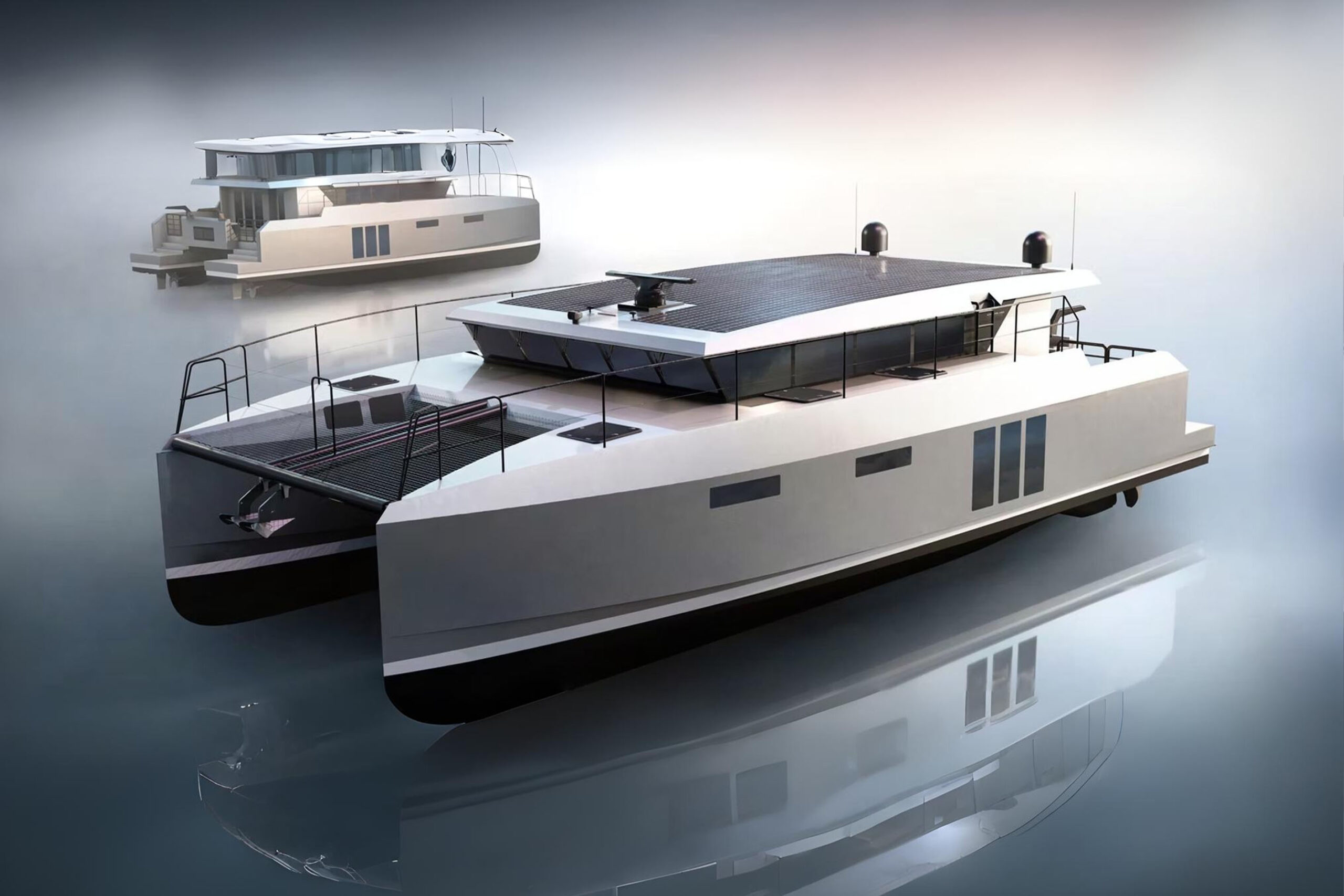
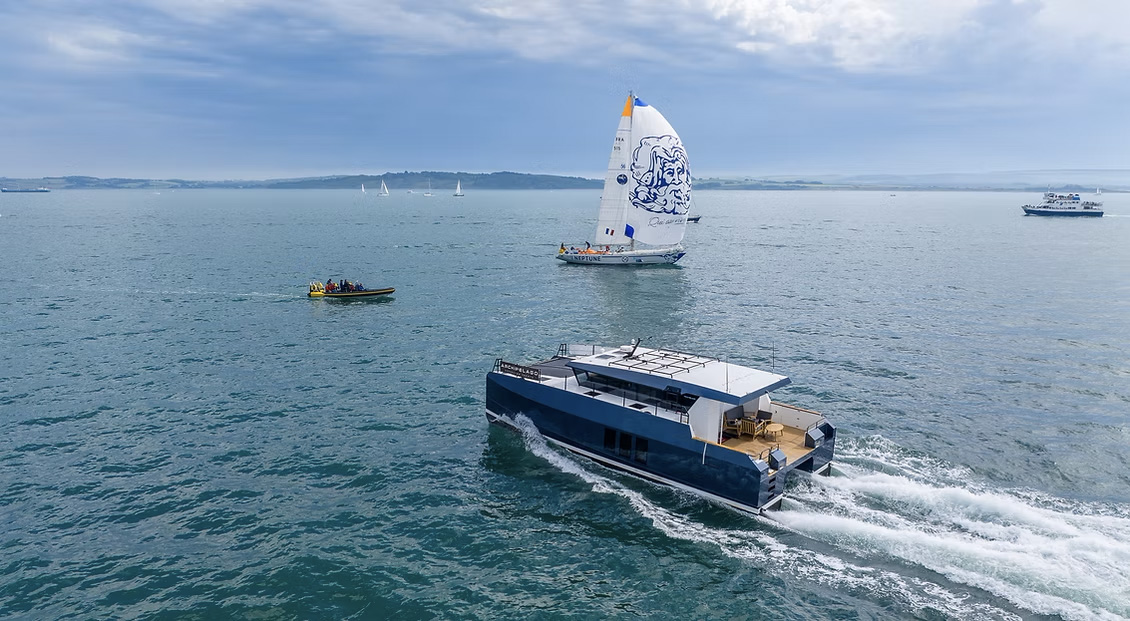
Archipelago Yachtsis translating this commercial viability into the leisure sector. Their zero.63 project exemplifies this evolution, utilizing a methanol-hydrogen hybrid system. This design combines a reliable methanol combustion engine for range extension with onboard reformers and fuel cells. The reformers convert methanol into hydrogen on demand, eliminating the need for bulky, high-pressure hydrogen tanks. This elegant solution prioritizes practicality without sacrificing ambition, ensuring long-range reliability while enabling silent, zero-emission operation for coastal cruising and harbor maneuvering.
Technical Hurdles and The Path Forward
Methanol faces immediate constraints. Renewable e-methanol production is limited, and its cost remains several times higher than fossil-derived methanol. Furthermore, infrastructure is sparse outside industrial ports, creating a chicken-and-egg scenario where owners hesitate without convenient refuelling. However, commercial adoption by giants like Maersk is creating a powerful trickle-down effect, de-risking the technology for smaller vessels. Government support, through funding programs like Innovate UK’s, is crucial for accelerating prototyping and market confidence.
The Verdict: The Final Word on Responsible Yachting
Methanol’s value is as a bridge technology: it is practical enough to deploy today while offering a clear future pathway to decarbonization. The yachting sector has the opportunity to redefine its narrative, viewing sustainability not as a constraint but as a differentiation opportunity. Collaborations like that between Archipelago Yachts and Chartwell Marine are essential, proving that genuine innovation and environmental stewardship can coexist, allowing the industry to move toward responsible excellence.