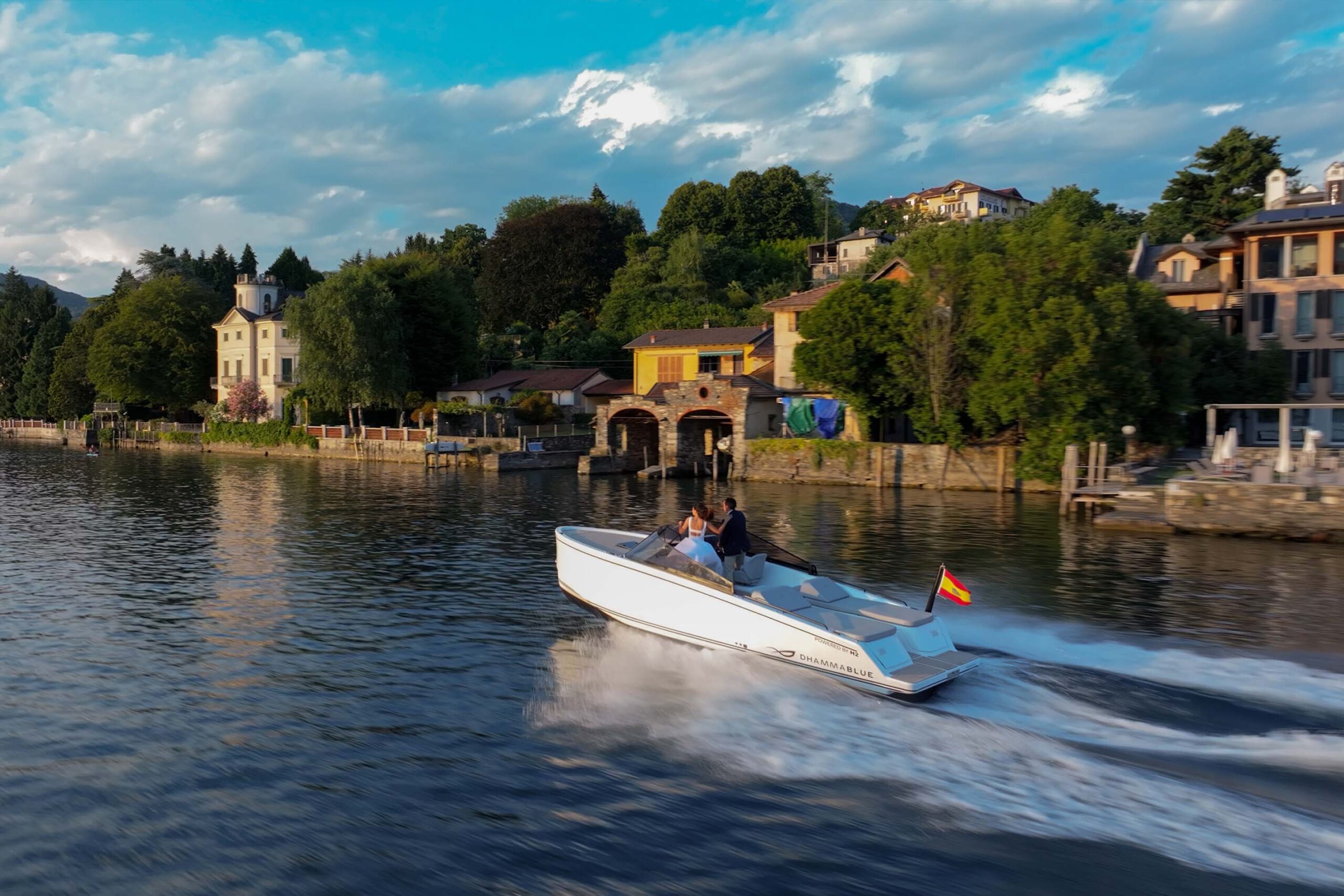
The III National Green Hydrogen Congress has officially established Huelva as a strategic enclave for the future of the maritime sector. With nearly 1,400 participants and 450 companies in attendance, the event serves as a professional forum for the decarbonization of the international fleet. The industry is moving beyond the “promise” phase, identifying hydrogen as the primary vector for a carbon-free Mediterranean. This shift is being led by a coalition of energy experts and naval architects focused on long-term sustainability and operational reliability.
The Dhamma Sea Certification
The most significant technical milestone highlighted during the congress is the DhammaSea project. This 27.5-meter catamaran represents a definitive advancement in naval engineering, currently in an advanced phase of construction with a 100% hydrogen propulsion system. Most notably, the vessel will carry a DNV certification as a commercial yacht—a milestone that establishes a new international benchmark for high-performance hydrogen vessels. It is a proof of concept that autonomy and commercial-grade power can be achieved without diesel dependence.
The Infrastructure Deployment Gap
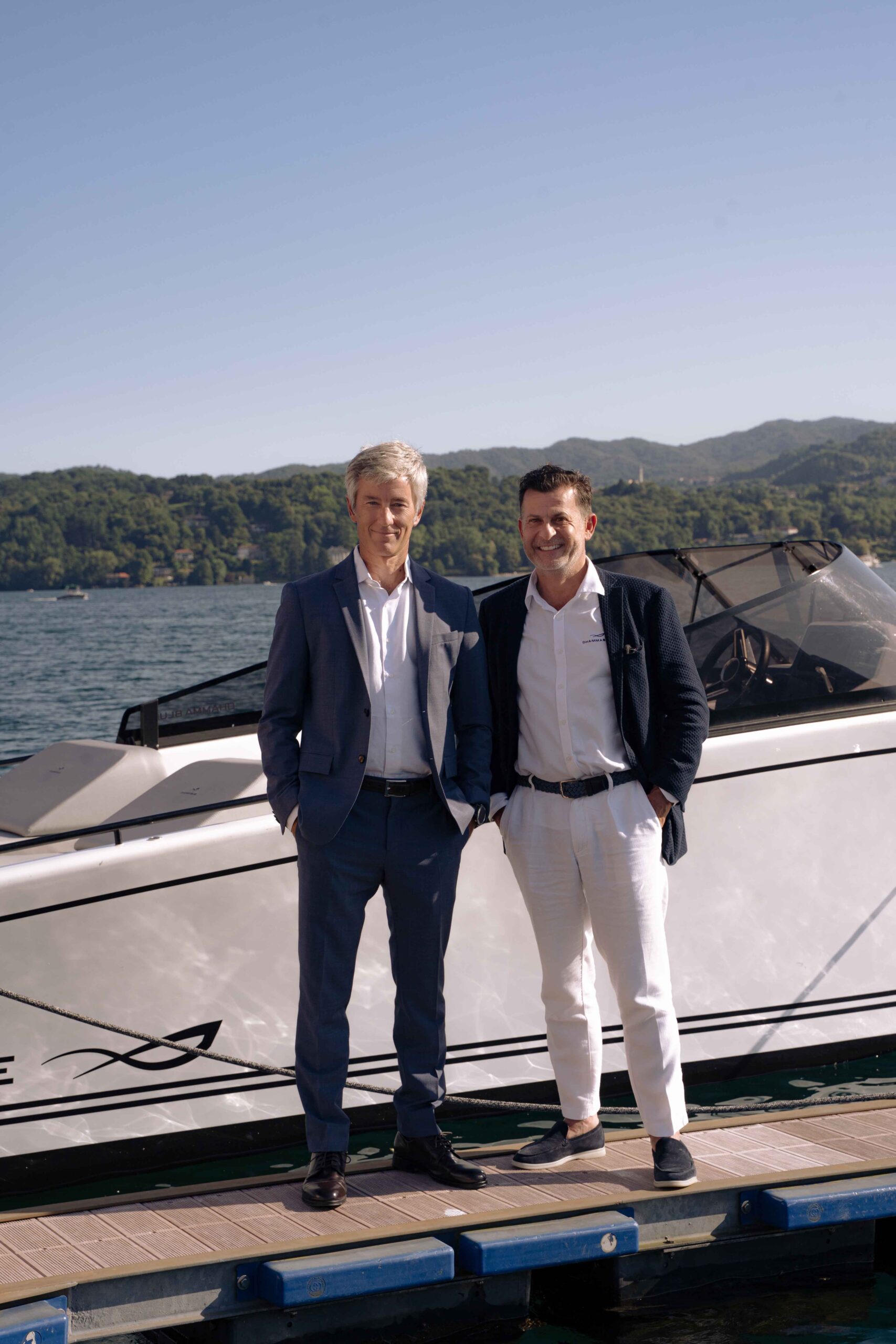
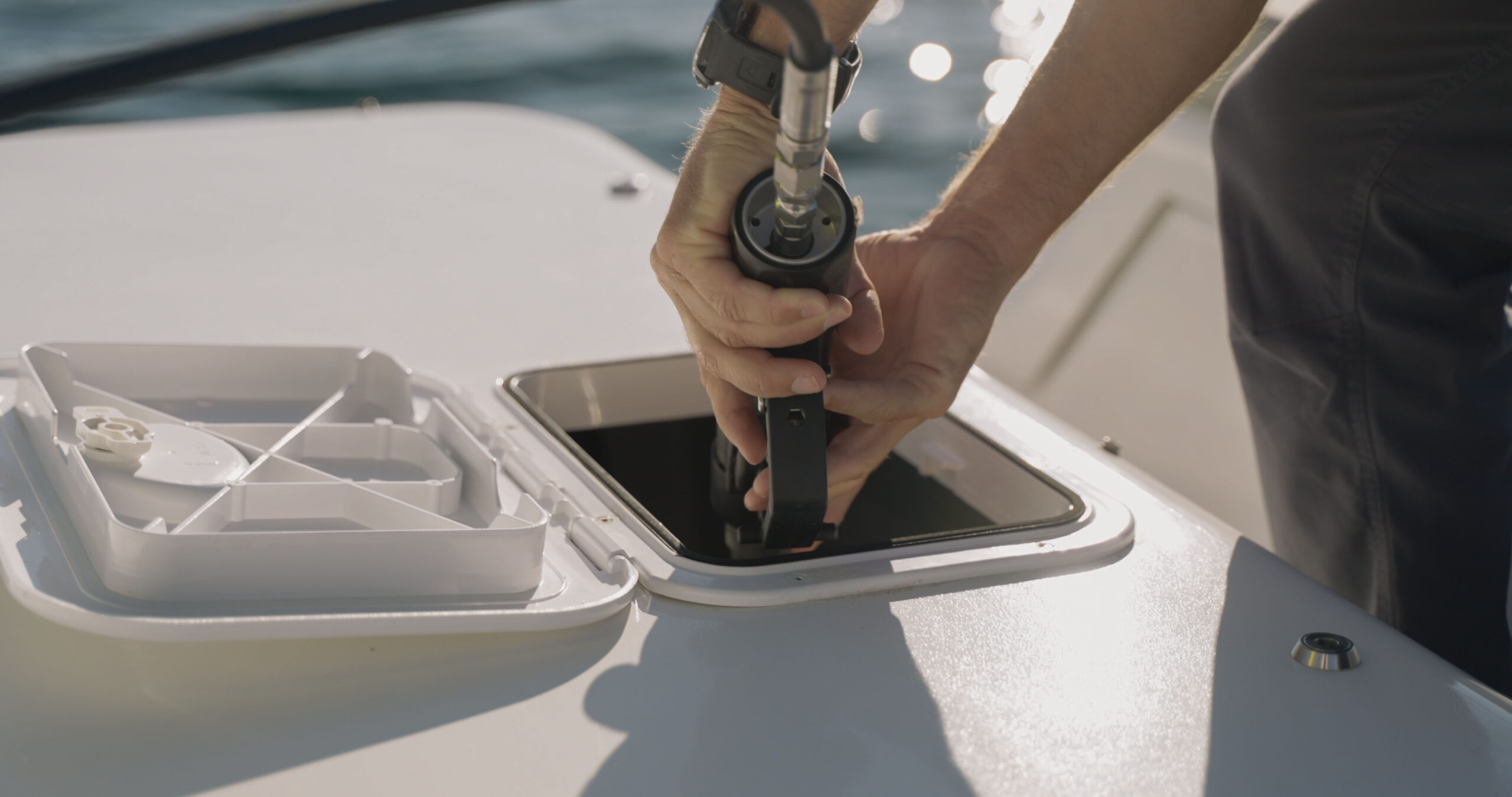
Philippe Esposito, President of Dhamma Blue, has raised a critical industry perspective: technology cannot scale without physical infrastructure. While Spain is in a privileged position to generate competitive renewable energy, the “green docks” of the future remain a work in progress. For hydrogen to become a viable solution for the recreational and commercial fleet, marinas must deploy specialized refueling stations. Without this logistical backbone, the potential of projects like the DhammaSea will remain limited by the range of current coastal facilities.
Image by Dhamma Blue
Recalculating Operational Security
The conversation surrounding the transition to liquid hydrogen is often stalled by concerns over safety. However, members of the HVR Energy Advisory Council—including figures such as Vicente López-Ibor Mayor and Isabel Tocino—have addressed this by comparing hydrogen to the integration of Liquid Natural Gas (LNG). Today, hydrogen storage and refueling are subject to the most rigorous international certifications in the industry. The focus is now on normalizing these standards so that hydrogen is viewed as a reliable and secure asset for the global fleet.
Southern Europe’s Renewable Dominance
Spain’s ability to generate competitive green hydrogen places it at the center of the European energy supply chain. The congress in Huelva has demonstrated that the technical knowledge and the corporate will are already in place. The sector is now focused on creating a unified regulatory framework that allows for the rapid deployment of hydrogen technology across all major Mediterranean ports. This is a strategic move intended to secure the region’s position as a leader in the next generation of clean marine propulsion.
Defining the New Standard
The maritime world is entering an era where energy integrity is as important as hull performance. The backing of DH2 Energy and the HVR Advisory Council suggests that the industry is ready to mobilize the necessary resources to make green hydrogen the new pulse of the fleet. As more vessels like the Dhamma Blue prepare for launch, the professional standard for “excellence” is being permanently recalibrated. The message from Huelva is clear: the energy transition is no longer a choice; it is a competitive advantage.