Selecting an aluminum vessel for long-distance oceanic crossings represents a deliberate choice prioritizing structural durability over fragile aesthetics. Aluminum inherently protects itself by forming a stable alumina oxide layer when exposed to air, acting as a defensive barrier against the elements. However, saltwater functions as a highly conductive electrolyte that can accelerate metal breakdown if the vessel’s systems fall out of equilibrium. Understanding the interaction between noble metals like stainless steel or copper and less noble materials like aluminum is crucial for maintaining the hull over decades of operation.
Mitigating Galvanic and Electrolytic Variables
Vessel degradation typically stems from two distinct electrochemical mechanisms known as galvanic and electrolytic corrosion. Galvanic deterioration occurs when differing metals interact directly, whereas electrolytic corrosion acts much faster and is driven by stray electrical currents. These stray currents usually originate from grounding faults, poorly insulated shore power connections, or compromised onboard wiring. Managing these variables requires structured observation rather than reactive fixes, making monthly visual inspections and careful electrical monitoring mandatory practices for serious offshore operators.
The Framework of Sacrificial Protection
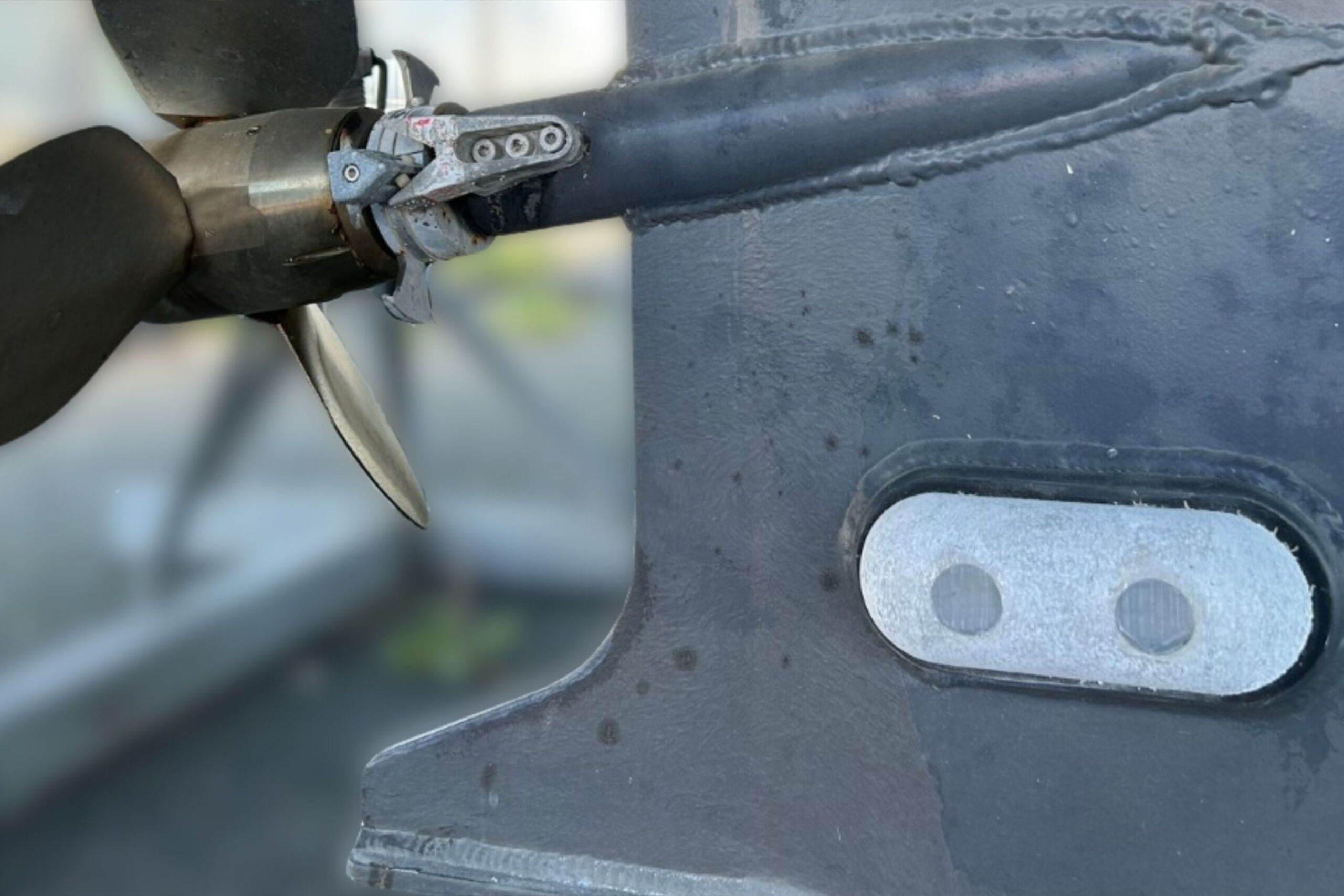
To absorb the inevitable electrochemical imbalances generated in saltwater environments, operators must rely heavily on carefully sized sacrificial anodes. These components are designed to intentionally degrade, effectively shielding the vulnerable aluminum structures from material loss. Zinc anodes typically protect the main hull, while specialized alloys are applied to isolated operational parts like the propeller shaft. The wear rate of these anodes fluctuates based on the cruising environment, often deteriorating faster in heavily wired marinas compared to the open sea, necessitating replacement before they reach a fifty percent wear threshold.
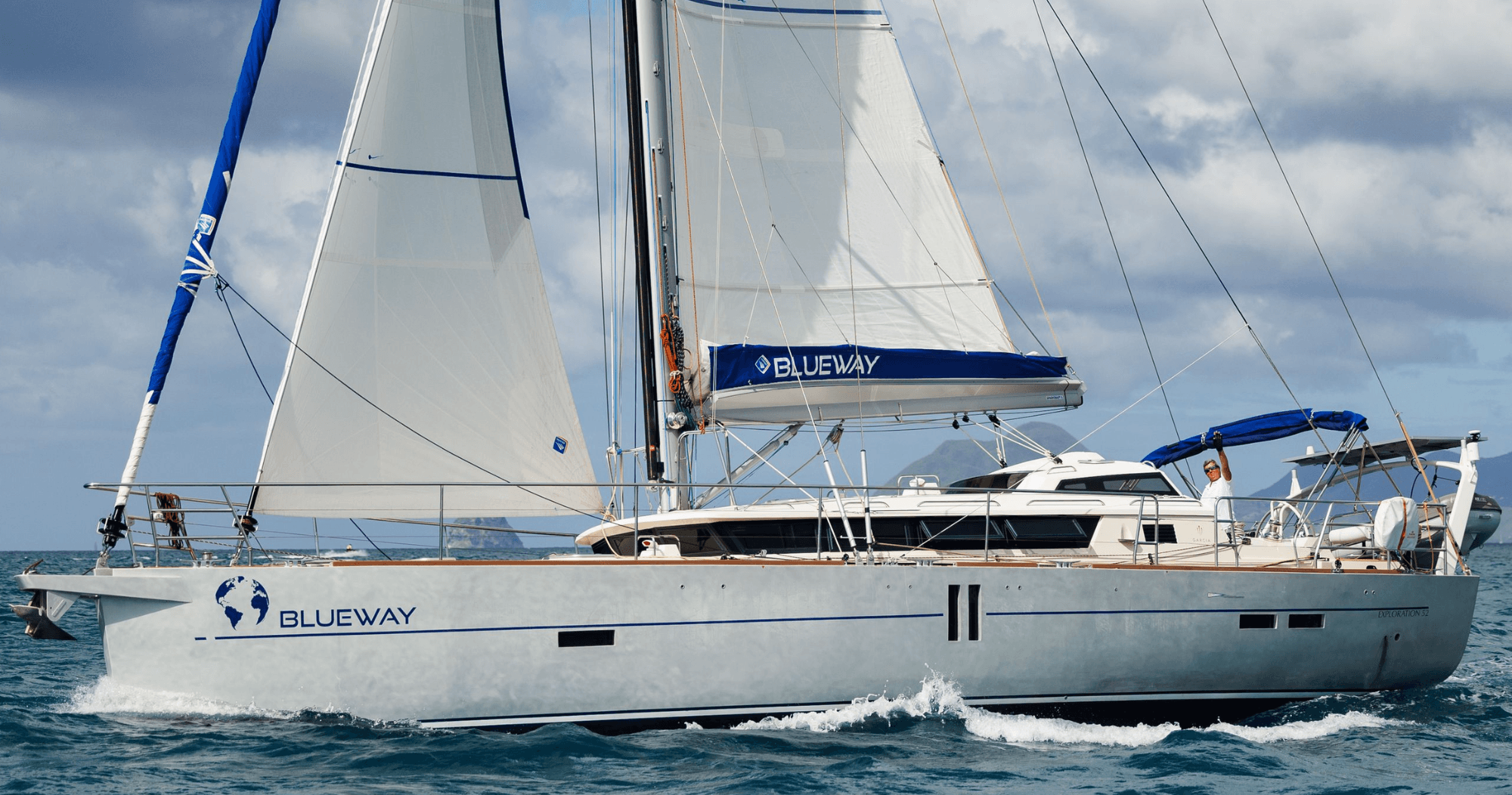
Image from Garcia Yachts
Coating Protocols and Surface Preservation
Protecting the underwater profile of a metal hull requires specific coating applications that avoid introducing hostile elements into the environment. Standard copper-based antifouling paints are strictly prohibited on these vessels because they trigger aggressive galvanic reactions against the aluminum structure. The correct protocol involves applying a seamless epoxy barrier to completely insulate the metal, followed by a copper-free antifouling formula specifically engineered for such applications. Routine cleaning must also remain controlled, utilizing only fresh water and neutral products to preserve the natural oxide layer.
The Garcia Approach to Electrical Isolation
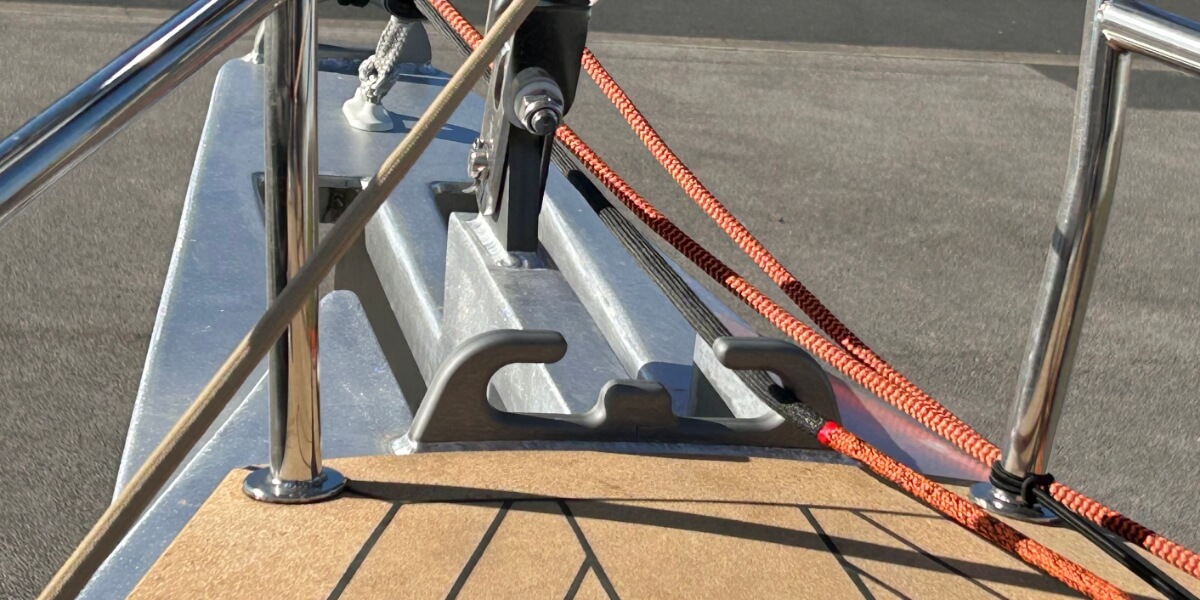
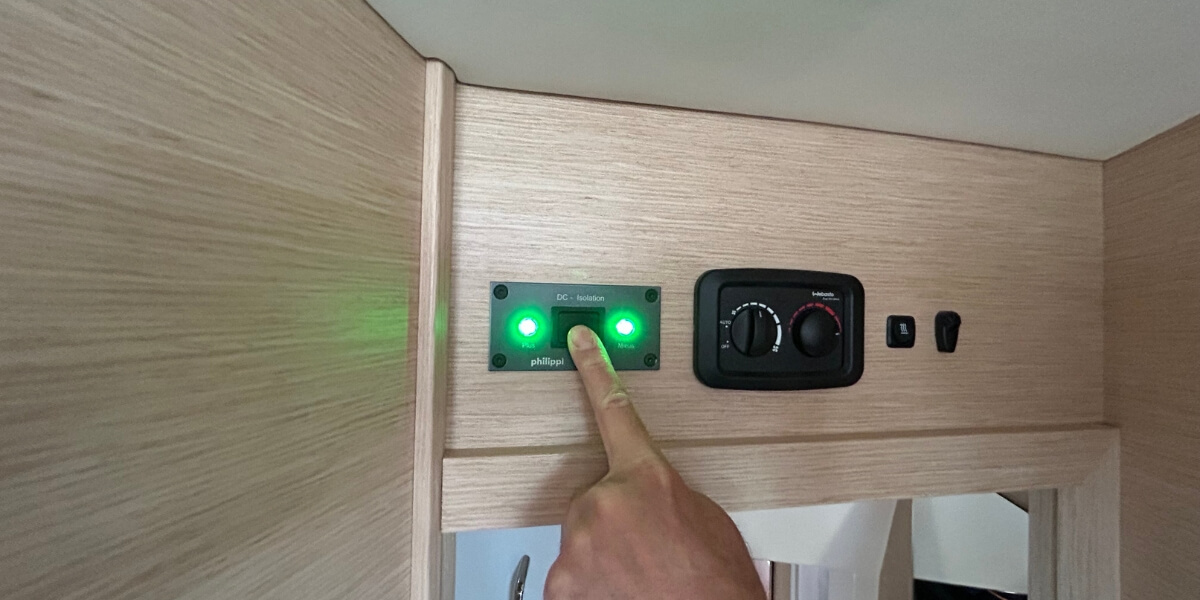
Preventing stray currents requires addressing the electrical architecture directly at the design level. Garcia Yachts integrates isolation strategies throughout the construction phase, utilizing a bipolar DC circuit that explicitly prevents the hull from acting as an electrical return path. All stainless steel deck fittings and hardware are physically insulated from the main structure to prevent direct contact. Combined with advanced ground fault detection systems and isolation transformers, this comprehensive wiring strategy ensures the vessel maintains its protective equilibrium during extreme offshore deployments.