- News and Industry Insights
Low-Signature Hulls: The Tri-Party Venture Redefining Coastal Operations
The Tri-Party Industrial Venture
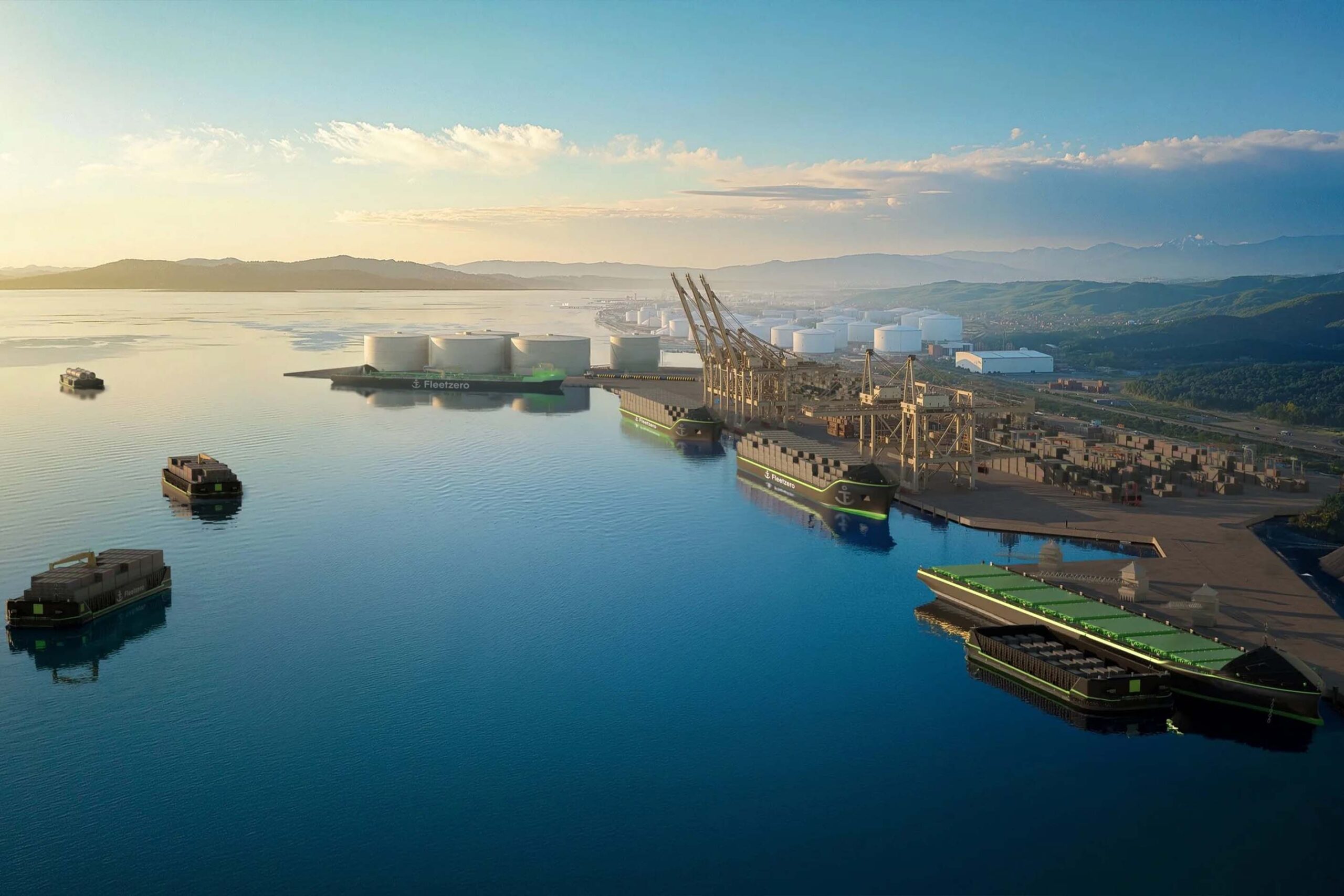
Developing autonomous marine assets requires a precise alignment between software engineering and heavy industrial manufacturing. Fleetzero recently announced a collaboration with Louisiana-based Thoma-Sea Marine Constructors and Seattle naval architecture firm Glosten. Together, the three entities are engineering a tightly integrated, diesel-electric autonomous vessel. The objective is to merge Fleetzero’s marine power technology with proven domestic shipbuilding scale, delivering a platform specifically designed for complex commercial and defense missions.
Electrifying the Hull Architecture
Extended uncrewed operations depend entirely on reliable propulsion and dense energy storage. Fleetzero addresses this mechanical hurdle by integrating its Leviathan™ Battery Energy Storage System directly into the vessel’s architecture. This system minimizes both noise and thermal outputs while doubling the typical energy density found in standard maritime batteries. By engineering out unnecessary moving parts within the diesel-electric configuration, the builders significantly reduce the maintenance requirements that normally hinder long-duration autonomous missions.
Low-Profile Coastal Operations
Operating safely in contested littoral or blue-water environments dictates the physical shape of the hull. Glosten serves as the lead naval architect, blending the automated propulsion tech into a functional, low-signature geometry. The resulting angular design draws direct inspiration from modern military stealth assets. Featuring a minimal radar cross-section, silent transit capabilities, and specific beach approach angles, the vessel is engineered to execute persistent patrols and autonomous self-withdrawals while avoiding detection.
Domestic Manufacturing Realities
National supply chain resilience heavily influences the procurement of new maritime platforms. Building the vessels at Thoma-Sea’s facilities in coastal Louisiana ensures that the resulting fleet complies strictly with the Jones Act and Buy American mandates. As the Department of War, MARAD, and allied forces accelerate their adoption of remotely crewed surface ships, delivering electrified, autonomy-ready hulls from established American yards establishes a secure, highly regulated production pipeline.
Financial Momentum and Sector Expansion
The collaboration operates with substantial capital backing. Fleetzero recently closed a $43 million Series A funding round in 2025, securing investments from major entities including Founders Fund, Maersk Growth, and MOL Plus. This financial momentum accelerates research and development at their Houston headquarters, allowing the partnership to bring electric autonomous capabilities to the commercial market faster. Ultimately, this venture illustrates how specialized energy storage and domestic shipbuilding can fuse to create assets that actively alter coastal logistics and defense strategies for decades.