- News and Industry Insights
Four Autonomy Levels Established: Unpacking the New Legal Framework for Crewless Vessels
Establishing Global Safety Baselines
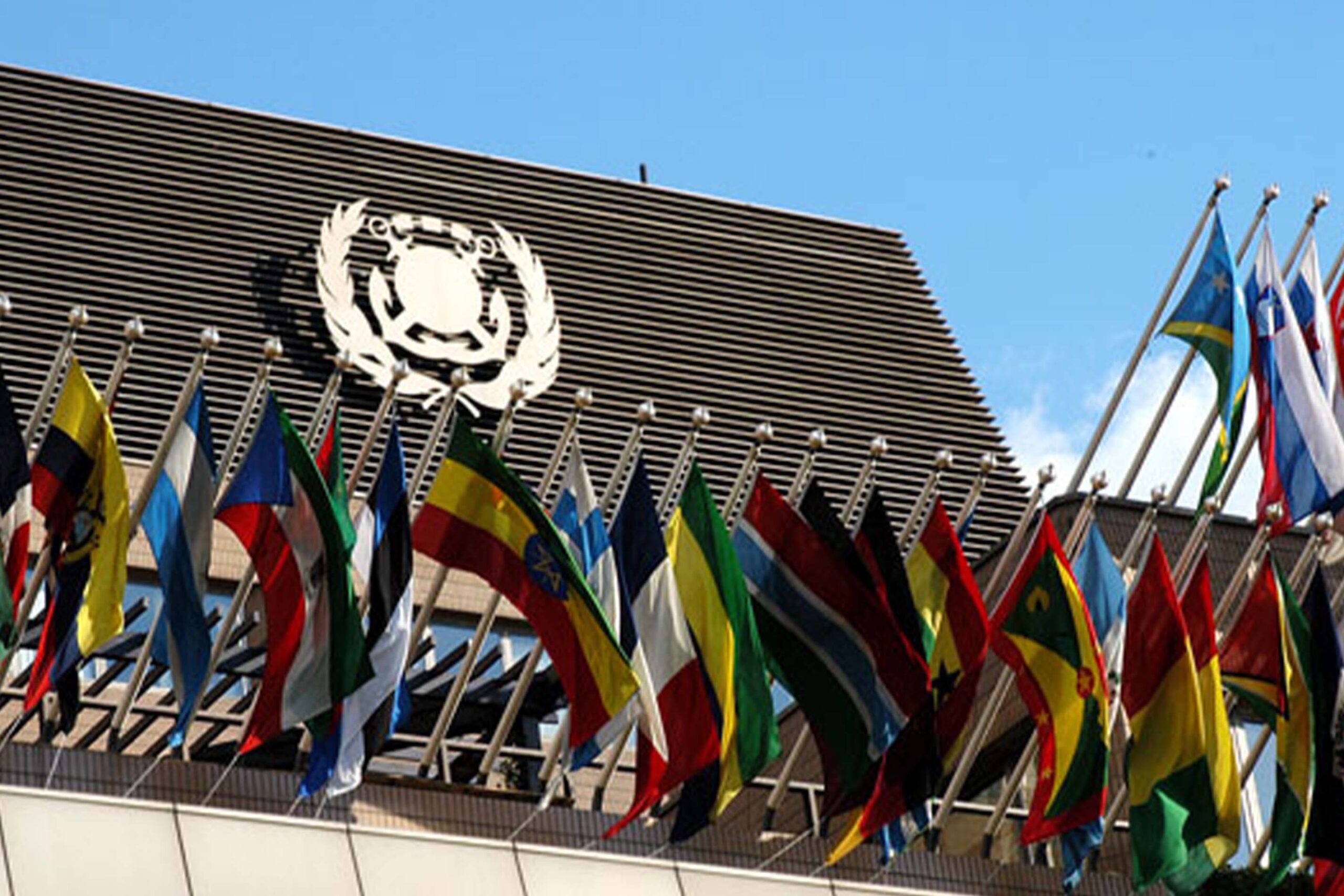
The transition toward crewless maritime transits has received a formal international framework. The International Maritime Organization (IMO) has officially adopted the International Code of Safety for Maritime Autonomous Surface Ships, widely referenced as the MASS Code. Effective from 1 July 2026, this non-mandatory regulatory baseline introduces goal-based standards specifically targeting safety, security, and environmental protection across the commercial sector. The code marks a definitive step in creating a structured legal landscape that allows autonomous vessels to navigate international borders safely.
The Tered Autonomy Architecture
The framework is drafted to handle varying levels of mechanical automation without imposing unworkable, all-or-nothing constraints. It outlines four distinct levels of autonomy, scaling incrementally from basic automated systems that assist human crew to fully autonomous vessels capable of independent situational decision-making. Applying primarily to cargo ships under SOLAS Chapter I engaged in international voyages, this tiered architecture allows the shipping industry to thoroughly test remote systems within a controlled operational environment.
Shifting to Remote Operations Centres
As physical personnel are systematically removed from the vessel, the mechanics of command require clear legal parameters. The code mandates the use of Remote Operations Centres (ROCs) to manage offboard tracking and navigation. Crucially, the ship’s master retains overall operational responsibility even when stationed miles away at a shore-based console. By establishing explicit lines of communication and responsibility between ROC personnel and the master, the framework aims to significantly reduce liability disputes following technical on-water incidents.
Cyber Insurance and System Redundancy
Heightened reliance on digital control paths and continuous connectivity drastically increases a fleet’s exposure to technological risks. The MASS Code responds by mandating enhanced technical requirements for system redundancy, fire safety, search and rescue, and data connectivity. Because an automated hull depends entirely on data integrity, these regulations will necessitate strict cybersecurity protocols, requiring commercial operators to restructure both their Protection and Indemnity (P&I) coverage and specialized cyber policies.
Evolving Liabilities and Data Logging
The human element remains a critical variable within this digital evolution as shore-based operators take on greater navigational weight. Shipowners face changing competence standards, altered training requirements, and new legal liabilities surrounding remote crew management. When handling insurance claims, the implementation of advanced data logging and black-box-style monitoring will provide investigators with clear telemetry, although complex digital failure chains will concurrently challenge traditional maritime causation analysis.