The economic footprint of the global superyacht sector extends far past the marinas of the Mediterranean. According to a landmark study by Deloitte and Vrije Universiteit Amsterdam, commissioned by the Superyacht Builders Association (SYBAss) and the Superyacht Life Foundation, the industry generated €54 billion in total economic output. Utilizing 2022 data, the report confirms that €22 billion in direct expenditure catalyzed an additional €32 billion in indirect economic activity. This massive financial output flows directly through global supply chains, maritime services, and heavy manufacturing logistics.
The Multiplier Effect of New Construction
At the core of this €54 billion ecosystem sits the shipyard. The study identifies new yacht construction as the single most economically catalytic activity within the industry. New builds generate an economic multiplier effect of 2.8. For every €1 invested directly into building a superyacht, an additional €1.8 of economic value is injected into the global economy. This capital is distributed across engineering firms, subcontractors, raw material suppliers, and specialized logistics networks. New vessel construction alone accounts for 37% of the industry’s total economic impact, representing roughly €20 billion.
The Reality of Blue-Collar Manufacturing
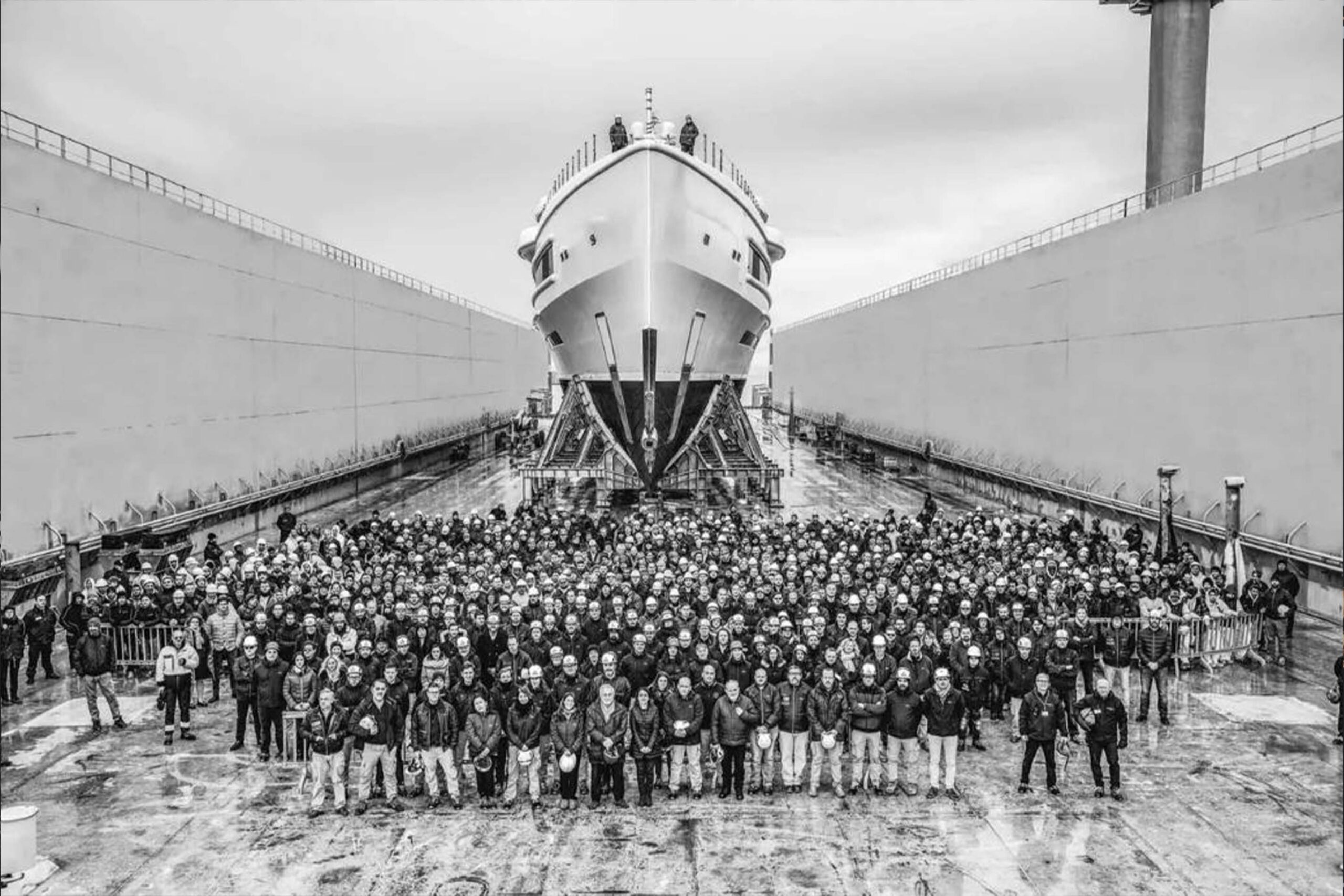
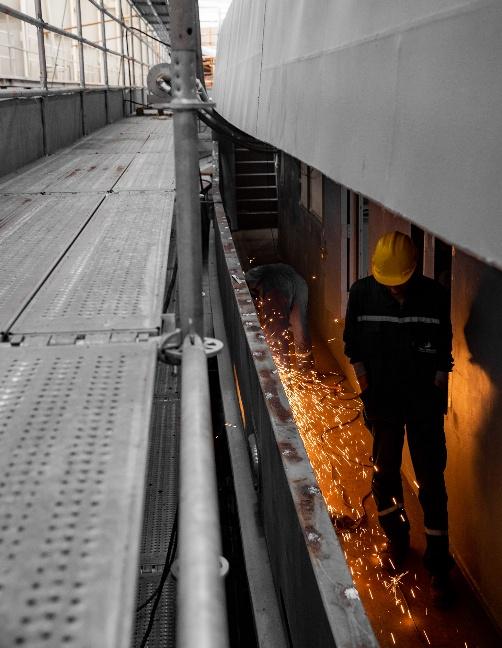
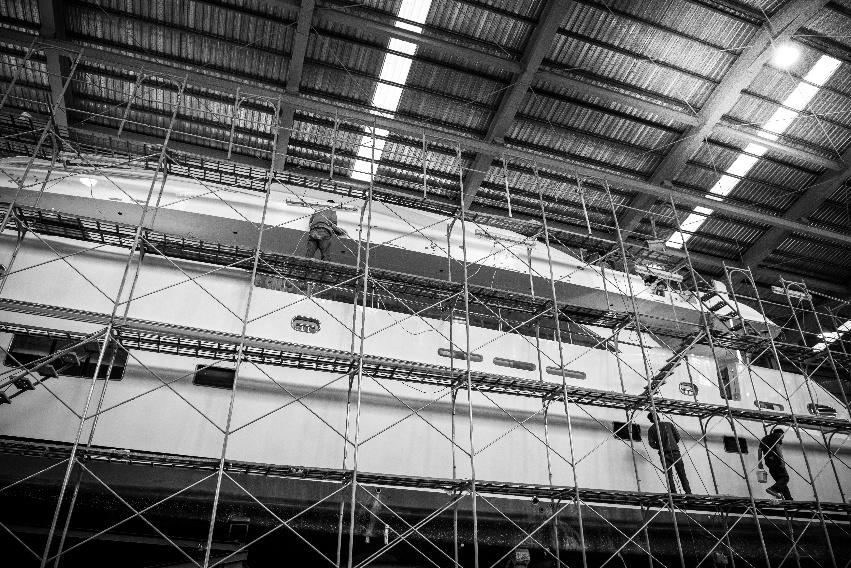
Despite the polished aesthetic of the final product, modern yacht building remains a rigorous, blue-collar manufacturing discipline. Every vessel requires highly coordinated input from welders, naval architects, electricians, carpenters, and project managers. The upstream sector—encompassing both new builds and refits—holds a direct economic impact of €9.5 billion. This phase of the industry sustains specialized apprenticeship programs and on-the-job vocational training to maintain the precise technical skills required to execute advanced engineering within constrained maritime spaces.
Image from Superyacht Builders Association
Downstream Economics and Upstream Accountability
The report highlights a significant structural imbalance within the industry’s financial architecture. Downstream sectors like fleet operations, chartering, tourism, and brokerage account for the majority of recurring annual economic activity. However, this downstream economy only exists because the upstream builders continuously design, engineer, and renew the global fleet. The builders assume the heaviest concentration of industrial investment and delivery risk, yet the recurring financial activity is generated after the vessel leaves the drydock. Throughout a superyacht’s lifecycle, it contributes an average of €9 million annually to the economy.
The SYBAss Builders Advocacy Campaign
To correct the public perception of the industry, SYBAsshas launched the Builders Advocacy Campaign. This initiative utilizes the Deloitte data to reframe the superyacht sector not just as a luxury service, but as a strategic, advanced manufacturing ecosystem. The campaign emphasizes that the €54 billion global output is only possible due to the long-term capital commitment, specialized craftsmanship, and direct industrial capabilities of the world’s leading yacht builders.