Every yacht owner and fleet manager has faced repetitive sales presentations regarding the integration of machine learning over the past two years. The promises remain uniform: reduced operational surprises, faster compliance generation, and streamlined reporting. The actual implementation, however, has routinely disappointed. Most systems materialize either as simple customer service chatbots branded with maritime terminology or expensive corporate pilots that stall in office slide decks without ever reaching the actual bridge crew.
The Closed System of Maritime Data
These generic tools fail because the yachting industry functions as a highly technical, closed system. General-purpose software trained on public corpora cannot accurately process specialized workflows: ISM codes do not match standard software subscription tiers, MLC rest hours deviate from typical corporate human resource policies, and class certificates carry different regulatory weights than simple business pipelines. When a captain questions an unspecialized system about an overdue fuel polishing setup, the application produces generalized text rather than actionable engineering solutions.
Architecting a Digital Crew Member
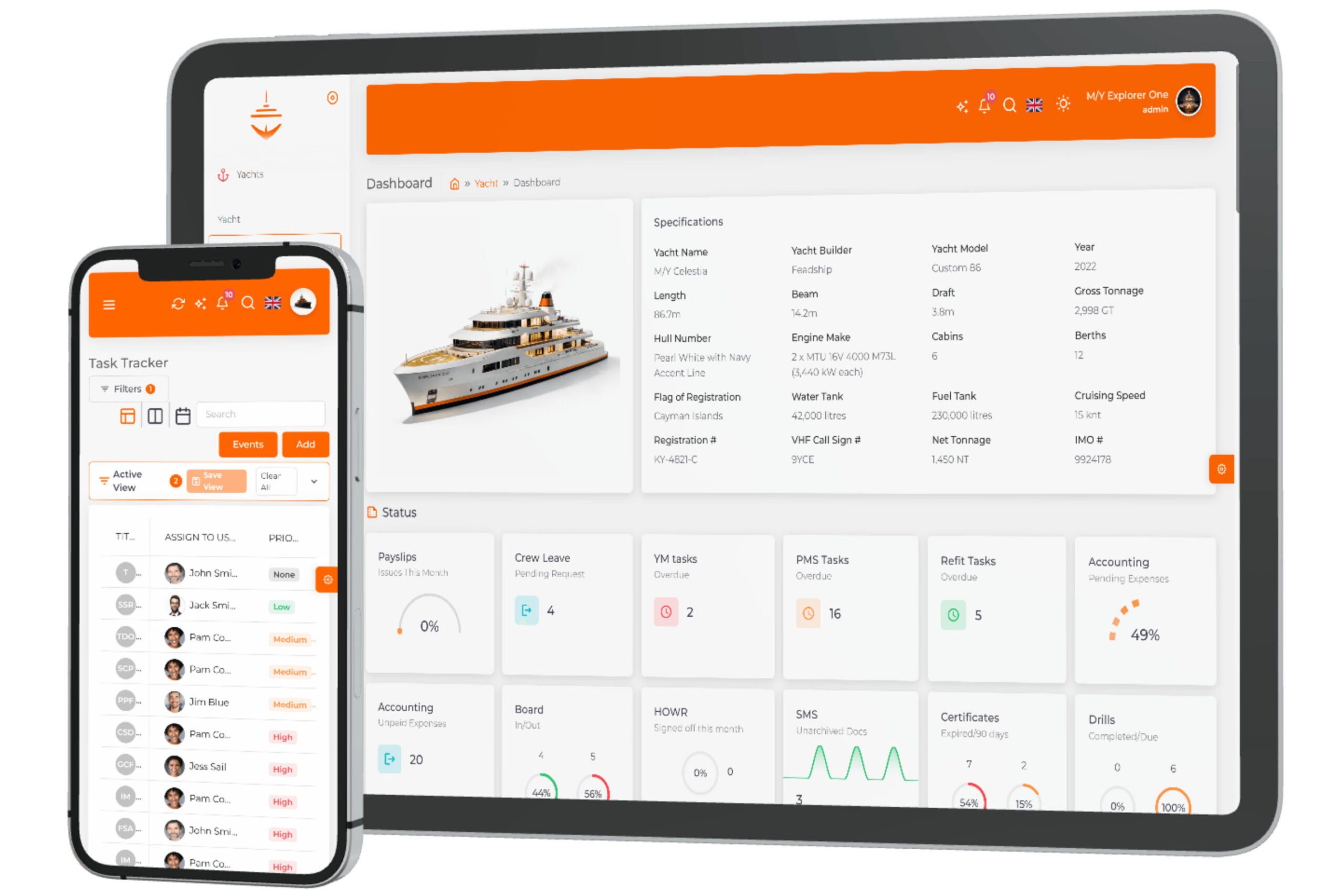
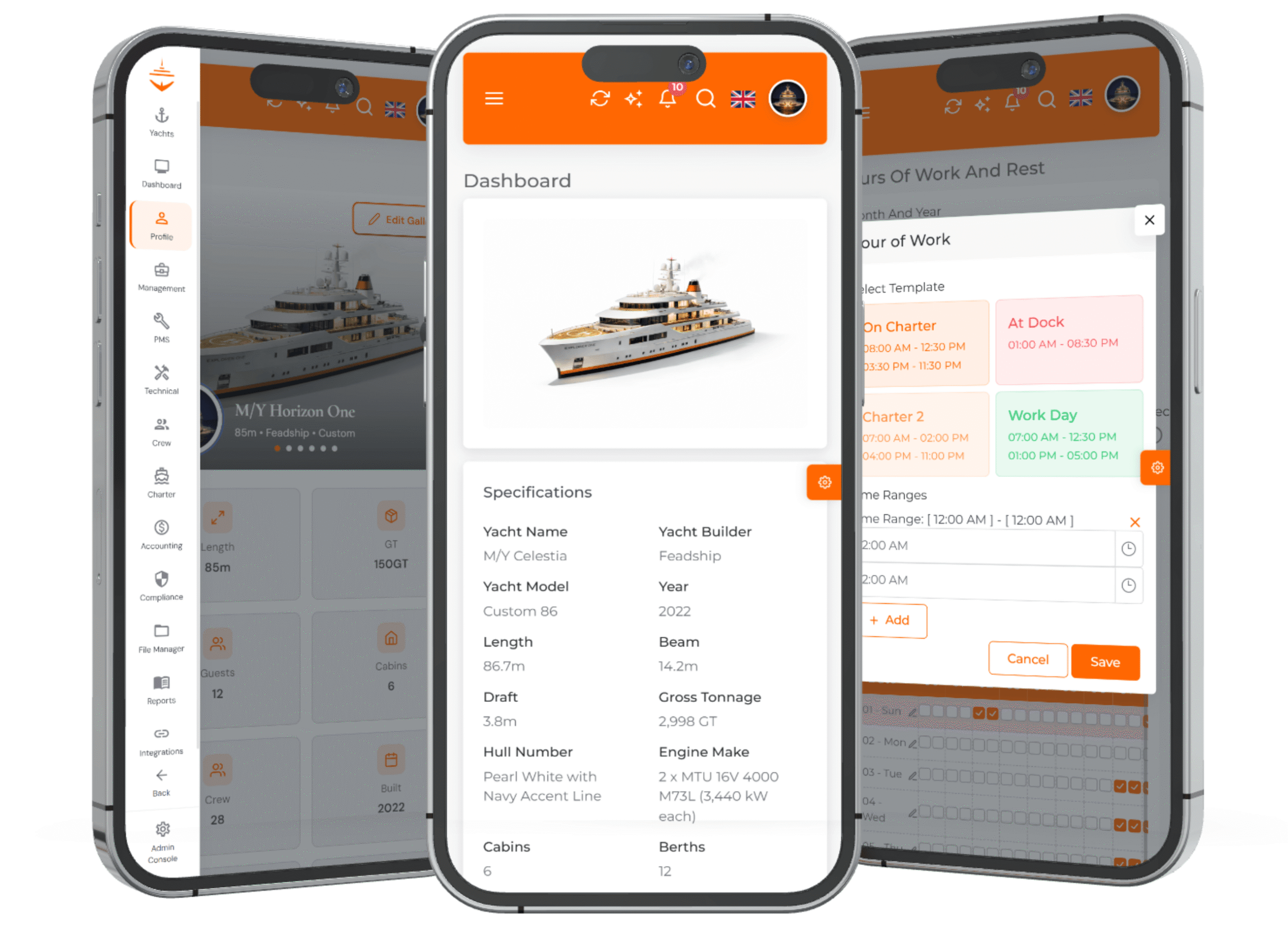
An operational system that functions reliably at sea requires data models trained exclusively on individual fleet metrics rather than pooled public pools. The platform developed by Aquatorfunctions as a trained digital crew member that natively interprets the specific vocabulary used by chief engineers and superintendents. Instead of configuring from dropdown choices, this custom-built architecture independently recognizes charter contracts, handles version control for flag-state notices, and builds real-time compliance tracking that remains secured within the owner’s closed environment.
Image from Aquator Marine
Predictive Engineering and Financial Oversight
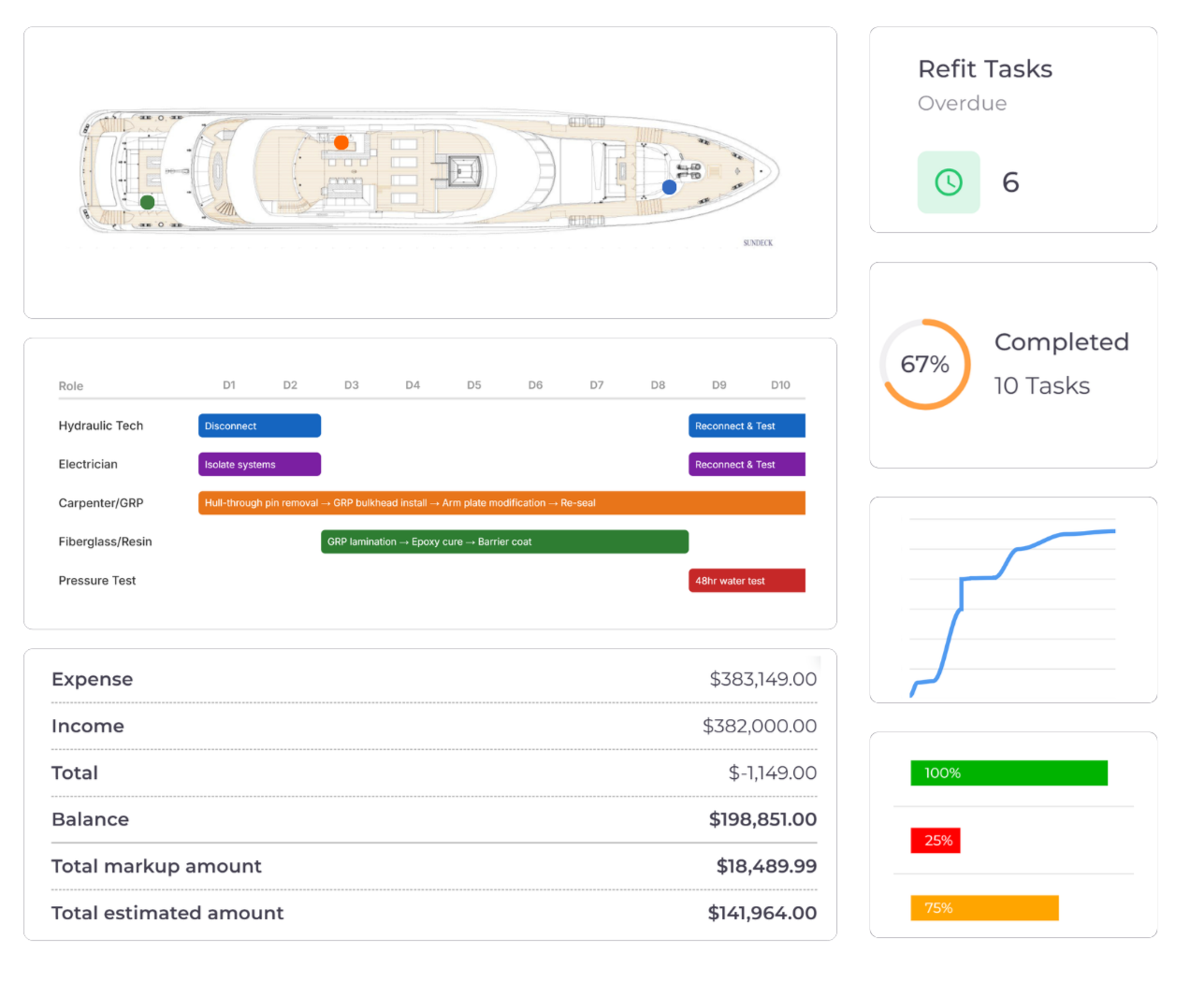
This specialized framework alters how managers oversee critical machinery and capital investments. Rather than scheduling repairs reactively after a catastrophic breakdown, the platform actively monitors engine run hours and historical performance to project maintenance tasks before hardware fails. Simultaneously, the integrated financial dashboard gives owners real-time visibility into operational spending across fuel, crew payroll, and harbor expenses, replacing traditional, delayed spreadsheets with direct P&L dashboards and automated target variance alerts.
Fleet Scaling and Security Specifications
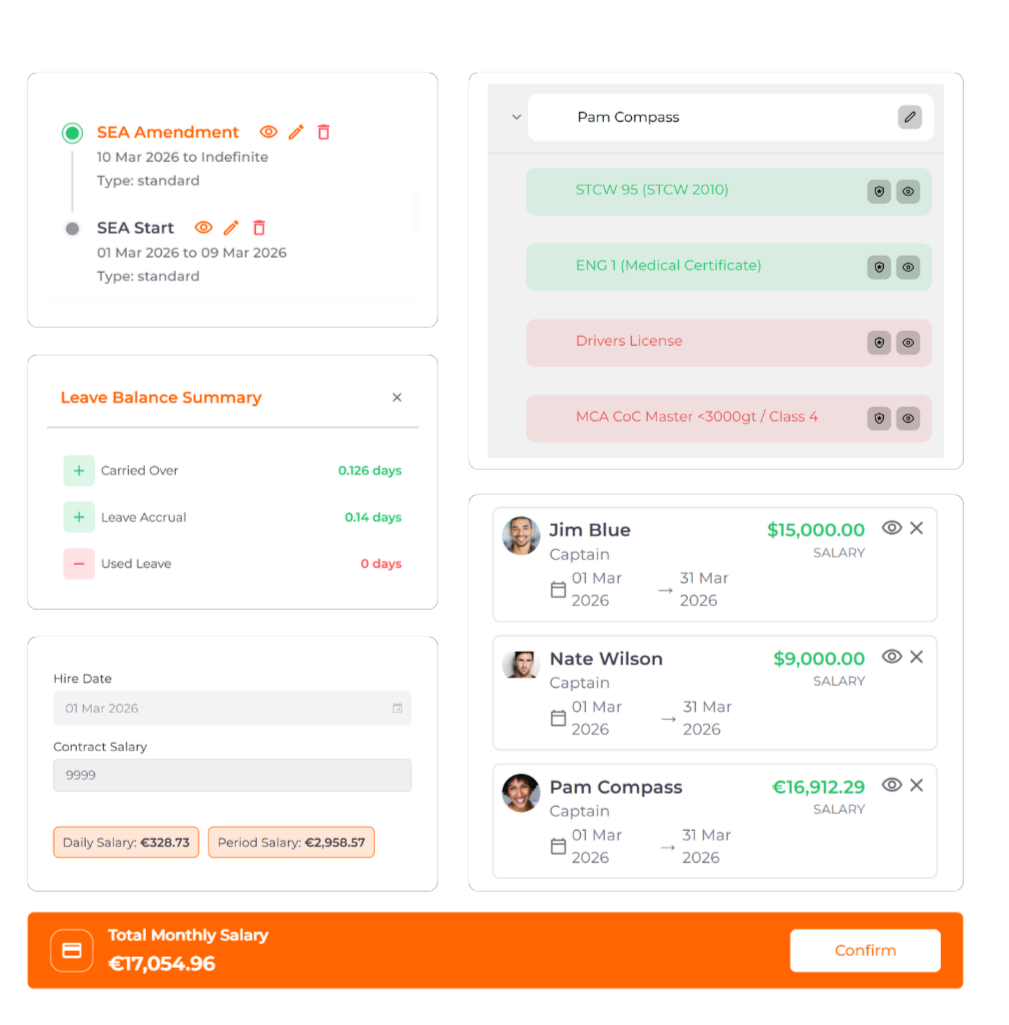
The software is engineered to scale from individual owner-operators to large charter fleets requiring immediate document access for sudden flag-state inspections. Operating under end-to-end 256-bit AES encryption with complete GDPR compliance, the infrastructure is a certified partner of Lloyd’s Register and meets DNV ISO 9001 standards. With pricing models ranging from an introductory tier to a $999 annual Pro setup that fully integrates crew leave records and payslips, the system enables vessels to systematically organize certificates and manage complex rosters on a secure platform.