Sailing requires rapid tactical decisions and sustained physical endurance. However, the most critical element of offshore performance—hydration—is often overlooked by crews and captains alike. A sailor in a temperate climate naturally loses approximately 2.5 liters of water daily, a metric that spikes aggressively during intense racing or exposure to hot climates. Dehydration occurs when the volume of water leaving the body exceeds the intake, often exacerbated by the physical demands of maneuvers or the effects of seasickness. This deficit directly compromises cognitive clarity and muscle strength, transforming a highly capable sailor into a liability on the water.
Understanding Isotonic Imbalance
Dehydration is not a single condition; it manifests in three primary forms: hypotonic (loss of sodium and electrolytes), hypertonic (loss of water), and isotonic (loss of both). When a crew member hits mild dehydration, symptoms like headaches, muscle cramps, dizziness, and visual “snow” appear. In severe heat-related cases, the body stops sweating entirely, escalating the risk of heat exhaustion or stroke. While drinking fresh water is the first line of defense, it does not replace the critical sodium and electrolytes lost during severe exertion or seasickness, necessitating a more technical approach to fluid replacement.
The Natural Electrolyte Solution
For decades, the standard response to electrolyte loss was chemical-laden sports drinks. The maritime sector is actively rotating these out in favor of natural alternatives. Coconut water, sourced from young green coconuts, is currently dominating this shift. Deemed “highly hydrating” by nutritionists, it possesses low acidity, zero fat, and zero cholesterol. Crucially, a standard 12-ounce serving contains more potassium than two bananas, providing the exact isotonic balance required to prevent severe muscle contractions and maintain operational strength during extended voyages.
Image from Coco Love
The CocoLove Manufacturing Logic
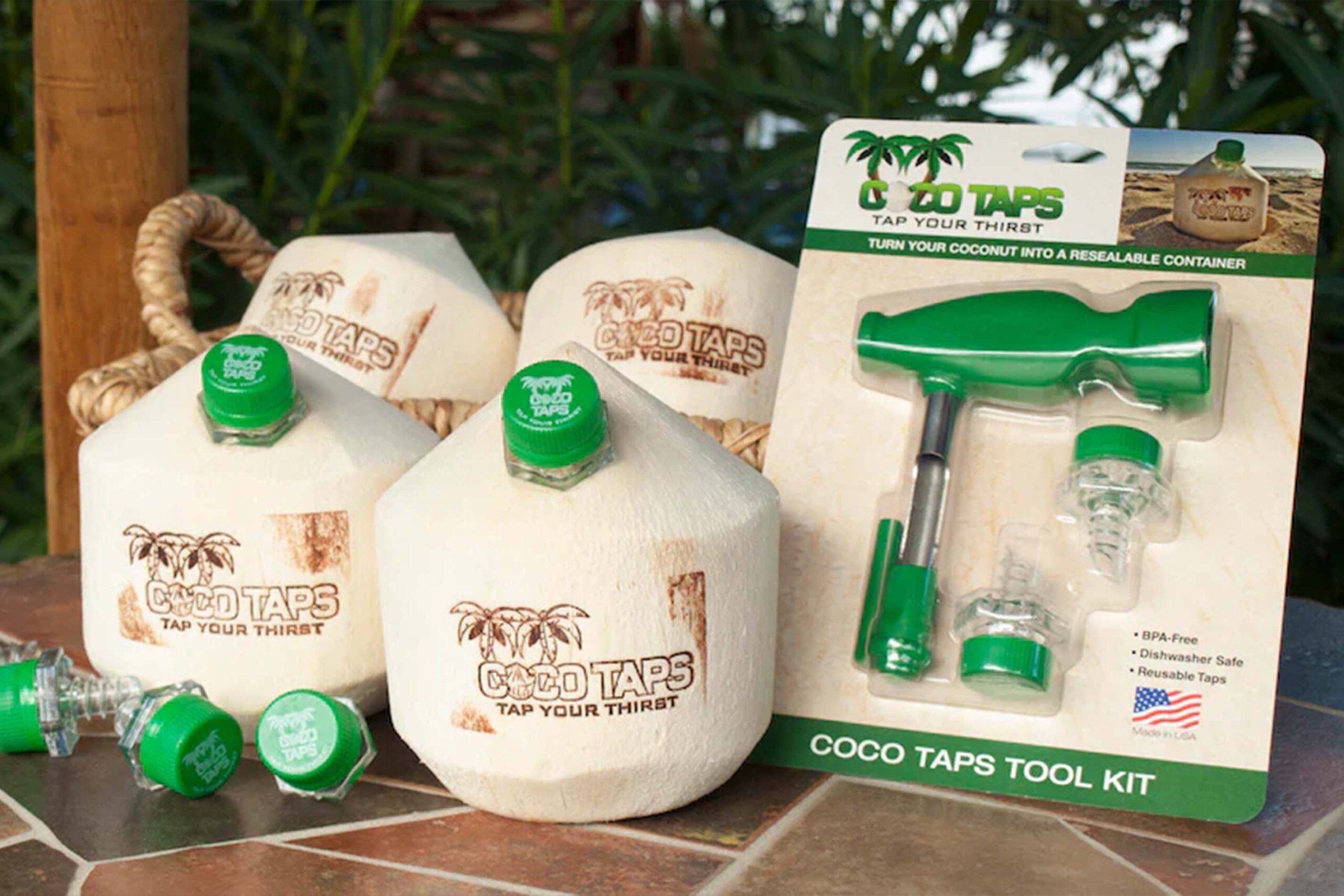
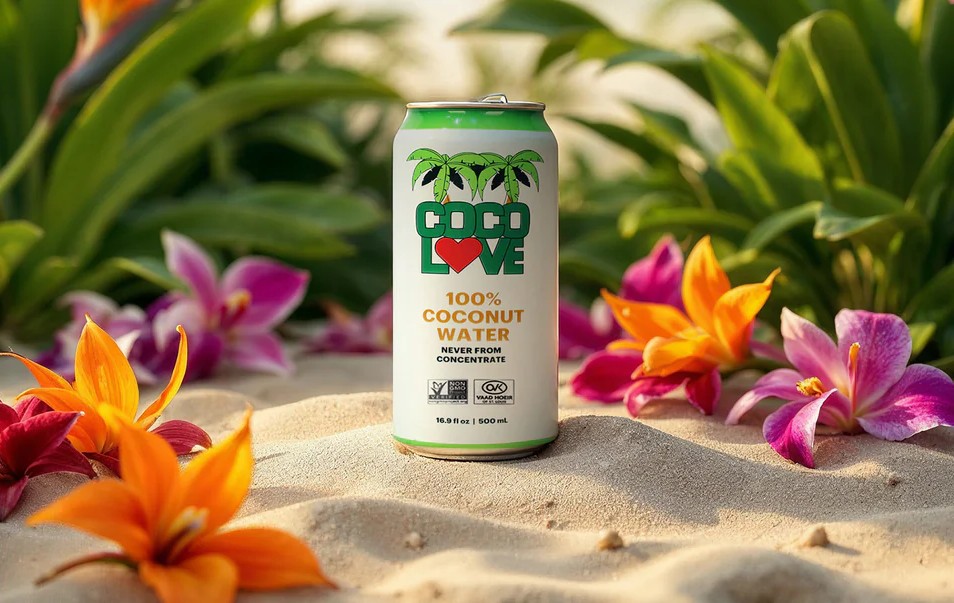
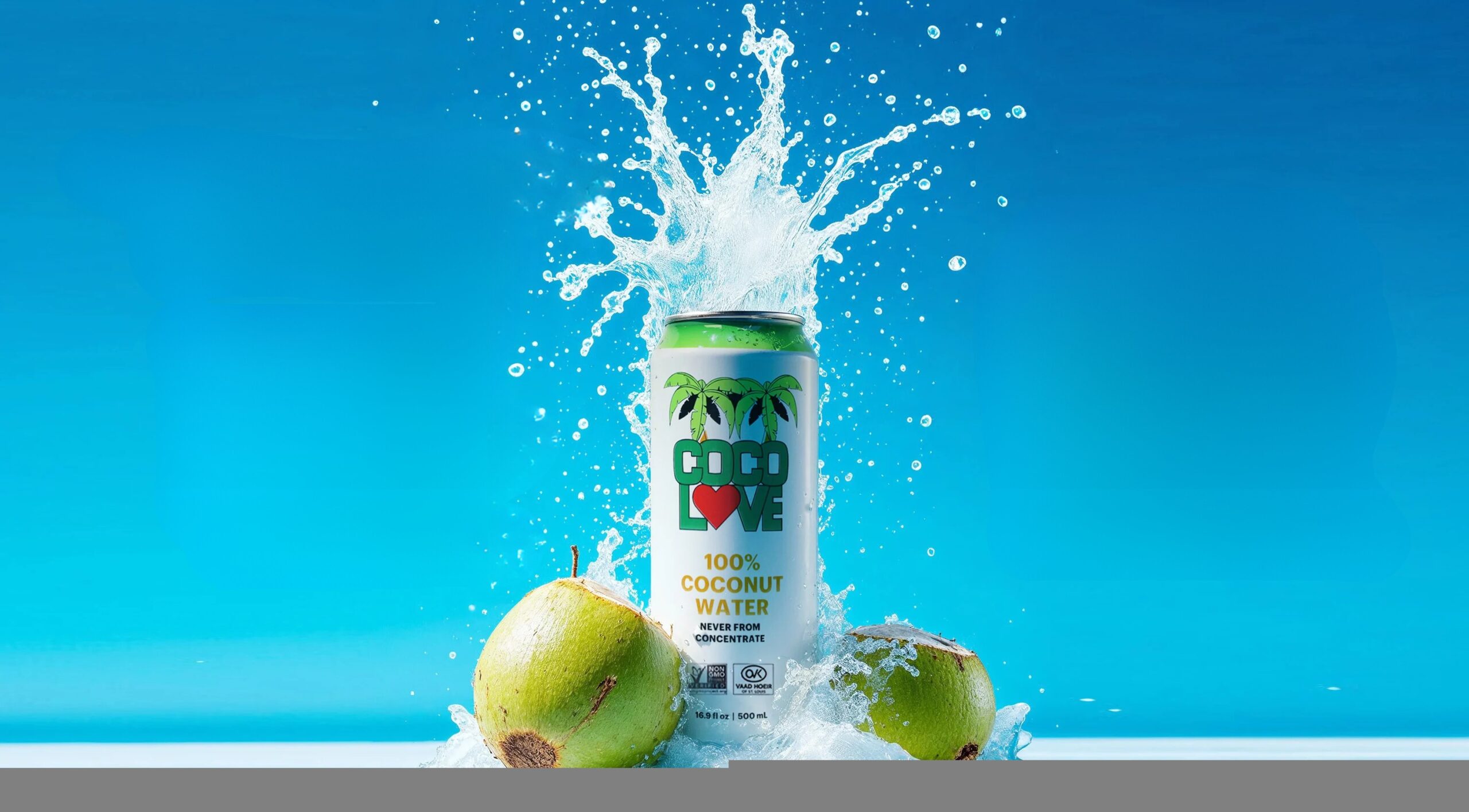
Sourcing high-quality coconut water often means relying on pasteurized cartons or plastic bottles, which conflict with modern maritime sustainability goals. CocoLovefounder “CocoVinny” recognized this supply chain flaw and engineered the CocoTaps Tool Kit. Designed, patented, and manufactured entirely in the USA, this BPA-free tapping system allows consumers to access fresh coconuts directly. For offshore operations that require pre-packaged provisions, CocoLovebypasses harmful plastic entirely, utilizing sustainable aluminum cans that fund food forest planting through the Roots4Change organization.
Redefining Galley Inventory
Stocking a vessel requires maximizing utility while minimizing environmental waste. By utilizing reusable CocoTaps, a tapped coconut remains fresh in the galley refrigerator for up to two weeks, drastically cutting the carbon footprint associated with traditional beverage packaging. Whether tapping a fresh Young Thai Coconut on the aft deck or stocking aluminum CocoLovecans for an offshore race, this system ensures that crews maintain peak physiological performance without compromising the integrity of the marine environment.