Alaska represents a rare pocket of maritime freedom in the United States. Unlike the heavily regulated coastal corridors of the lower forty-eight, Alaska does not require a traditional boating license for most operators over the age of sixteen. While minors must carry a Boater Education Card, seasoned explorers can often take the helm based on merit and experience alone—though rental companies occasionally enforce their own stricter standards. It is a landscape that prioritizes individual capability over bureaucratic hurdles.
Registration and Tactical Readiness
While licensing may be flexible, the state maintains a firm grip on vessel identification. Most motorized vessels must be registered through the Alaska DMV, a process requiring clear proof of ownership and specific vessel identification numbers. Beyond the paperwork, tactical readiness is non-negotiable. Alaska’s laws mandate U.S. Coast Guard-approved flotation devices, navigation lights, and sound-producing equipment. In a territory where the nearest help can be hundreds of miles away, these requirements are the bare minimum for survival.
Sovereignty in Prince William Sound
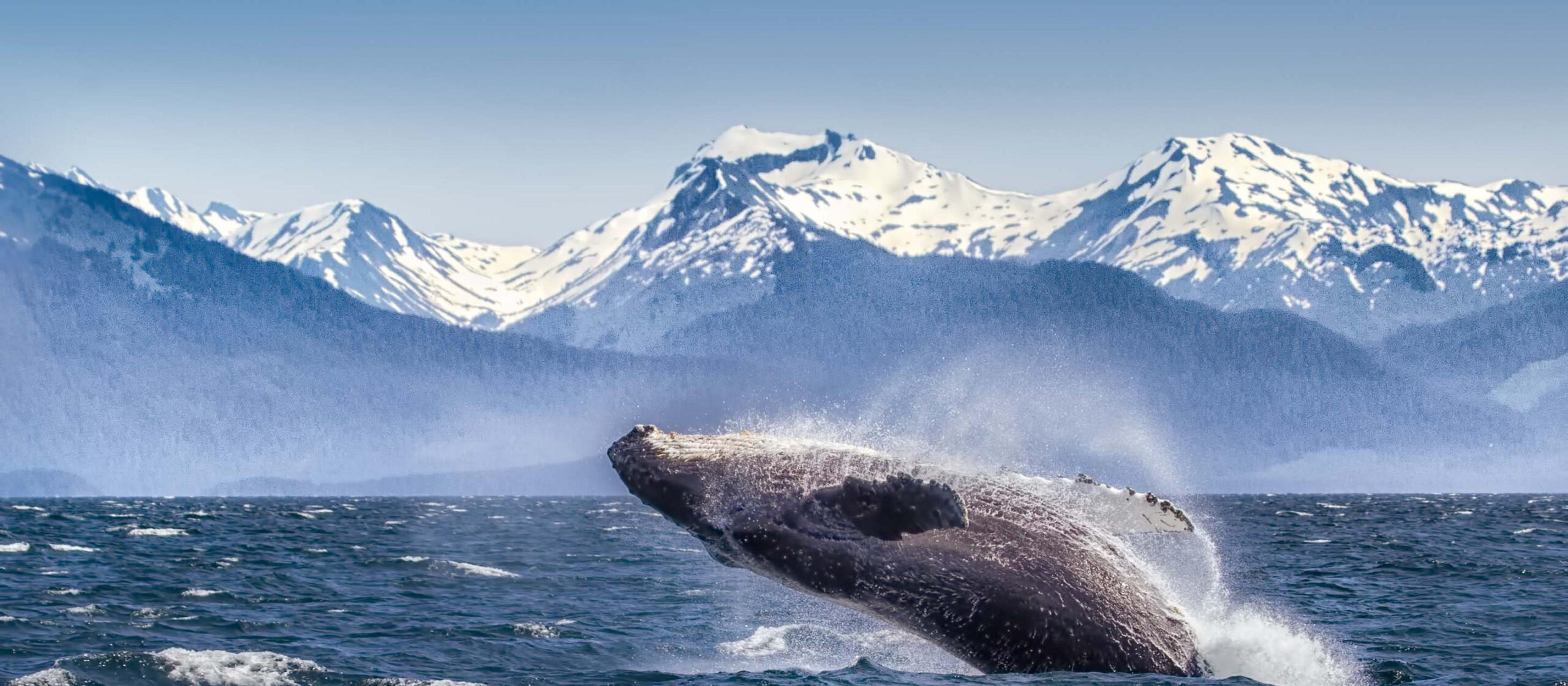
For those seeking total isolation, Prince William Sound offers a masterclass in remote navigation. This region is a labyrinth of fjords and icebergs, perfect for those deploying kayaks or high-speed interceptors for glacier cruises. It is a destination that demands a high level of situational awareness, as the water is shared with humpbacks, orcas, and the constant threat of floating ice. The Sound is a proving ground for anyone claiming to master the art of the northern explorer.
The Glacier Bay Intercept
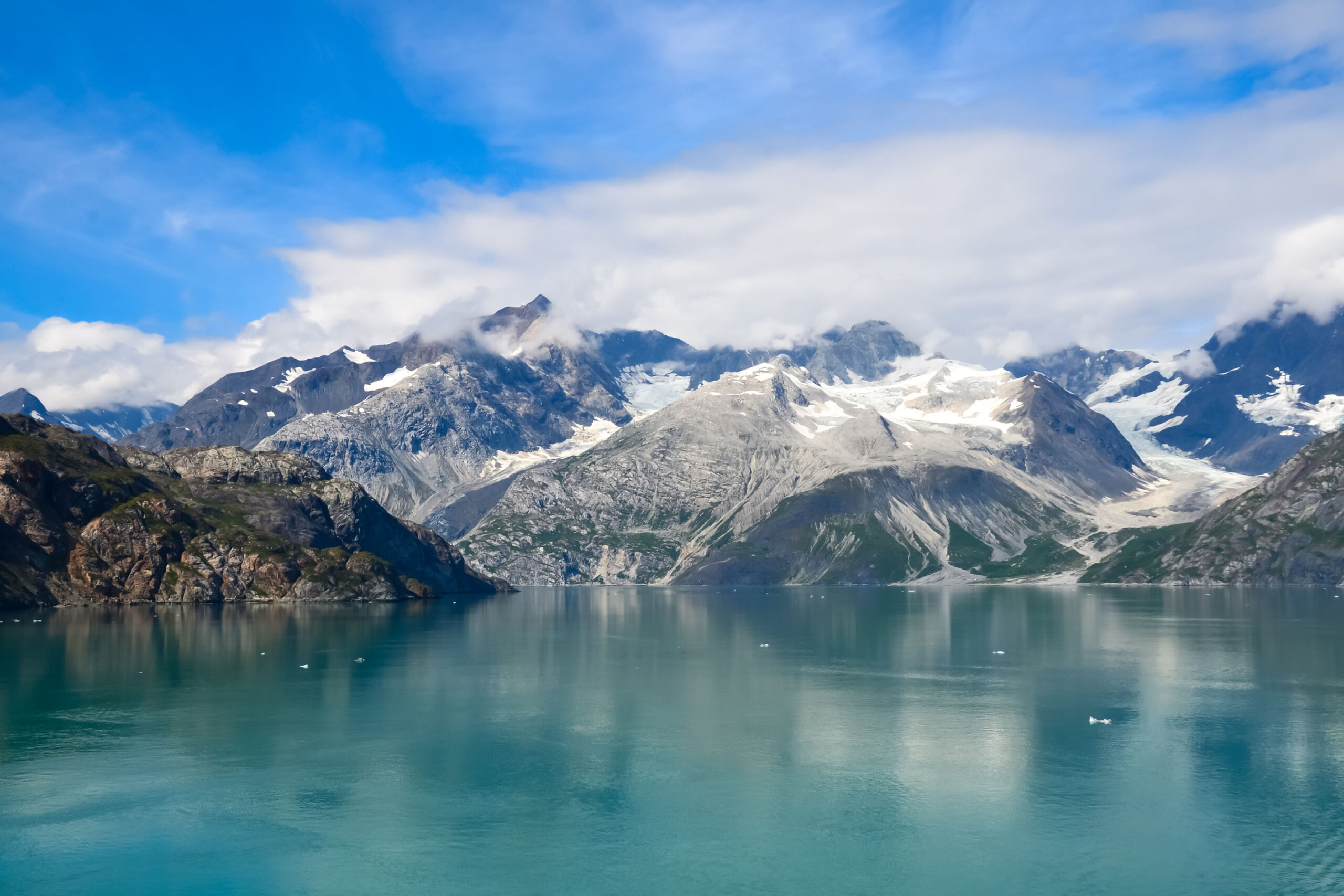
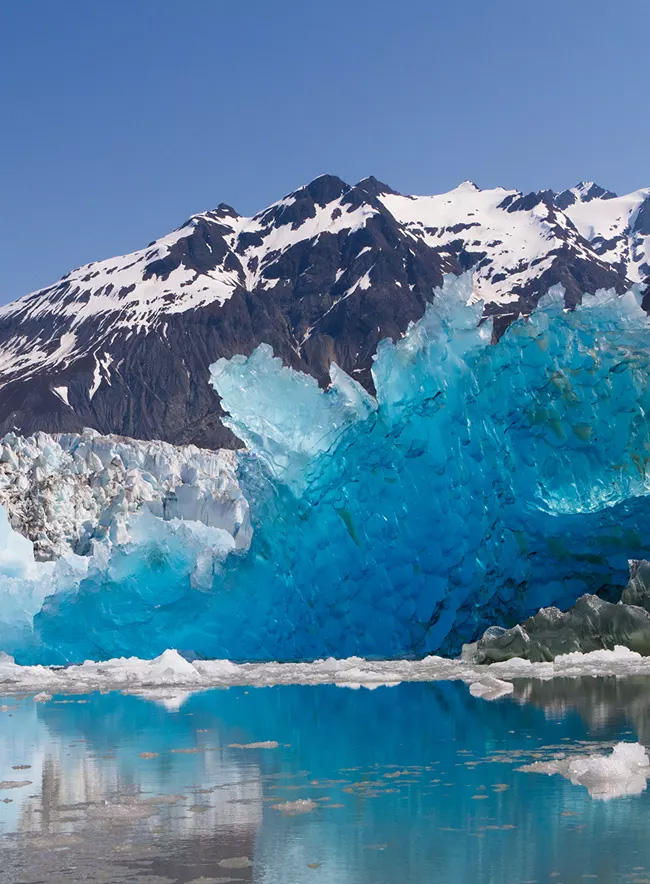
Accessible only by boat or aircraft, Glacier Bay National Park is the crown jewel of the Alaskan coastline. This is where the landscape becomes active; tidewater glaciers calve into the sea with enough force to rattle a hull from miles away. Between June and August, the park becomes a hotspot for photographers and wildlife watchers tracking brown bears and sea otters. It is one of the few places on earth where you can find an anchorage with zero other boats, offering true nautical sovereignty.
High-Velocity Wildlife and Marine Culture
Boating in Alaska is as much about the inhabitants as it is the ice. The Inside Passage, stretching through Juneau and Sitka, serves as a marine highway for island hopping and trophy fishing for salmon and halibut. For the high-adrenaline set, the state’s rivers offer whitewater rafting that mocks the standard coastal cruise. Whether exploring ancient native villages or maritime towns born from the Gold Rush, the culture here is inextricably linked to the 30,000 miles of rugged coastline.
The Short Window of Opportunity
The reality of Alaskan boating is dictated by the clock. The primary window for exploration is strictly limited to the months of June through August. Attempting to navigate these waters outside of the late spring to early fall window is a high-risk play that few professionals recommend. For those ready to face the raw nature of the North, the time to plan the transit is now—before the ice and the seasons close the door on the Last Frontier.
Image by National Park Service U.S. Department of the Interior